
Disclosure: this guide is published by SKUAS Pest Control, one of the companies listed. Ratings and rankings reflect our own assessment.
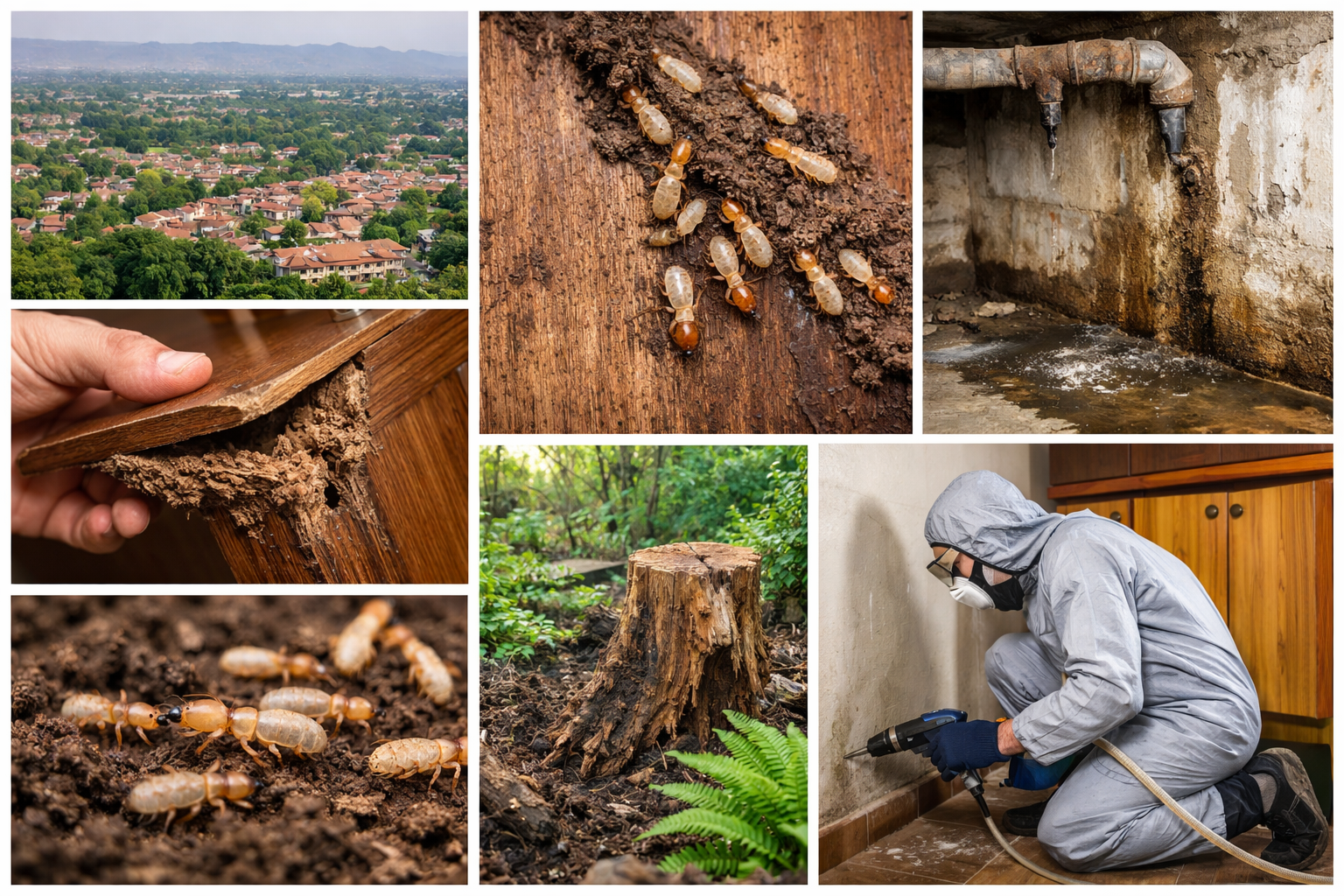
TLDR: Chandigarh's humid climate makes certain sectors particularly vulnerable to termite infestations. Areas like Manimajra, Sectors 20, 35, 40, and neighborhoods near Industrial Area Phase II face higher termite risks due to moisture levels, older construction, and vegetation density. Professional termite treatment in Chandigarh from experts like Skuas Pest Control, combined with moisture control and regular inspections, can protect your property from these silent destroyers.
Table of Contents
- Understanding Termites in Chandigarh
- Most Affected Areas in Chandigarh
- Why These Areas Are Vulnerable
- Signs of Termite Infestation
- How to Protect Your Property
- Professional Termite Treatment Options
- Prevention Tips for Chandigarh Residents
- FAQs
Understanding Termites in Chandigarh
Termites, commonly known as "white ants" in India, pose a significant threat to properties across Chandigarh. These social insects live in organized underground colonies that can contain millions of individuals, each with specific roles including workers, soldiers, and a queen termite. The city's climate, with its distinct monsoon season and temperature variations, creates ideal conditions for termite colonies to thrive and expand.
What makes termites particularly dangerous is their silent nature. They feed on cellulose materials like wood, paper, cardboard, and furniture from the inside out, often causing extensive damage before homeowners notice any visible signs. The economic impact is staggering, with termites causing structural damage that can run into lakhs of rupees for affected properties.
Most Affected Areas in Chandigarh
Based on local pest control data and reported infestations, certain areas in Chandigarh experience higher termite activity than others.
High-Risk Residential Zones
Manimajra and Surrounding Areas: This locality consistently reports elevated termite problems due to its proximity to natural water sources and older construction practices. The soil composition and moisture retention in this area make it particularly attractive to subterranean termites.
Sector 20 and Adjacent Sectors: These established residential areas feature mature landscaping and older buildings, both factors that increase termite vulnerability. The combination of aging wooden structures and dense vegetation creates perfect conditions for colony establishment.
Sector 35: As a thriving business and residential zone, this sector's mix of corporate offices, restaurants, and residential complexes provides diverse food sources for termite colonies. The higher foot traffic and structural complexity can make early detection challenging.
Sector 40 and Nearby Localities: These areas have seen significant construction activity over the years, and any construction debris left behind can attract termite scouts searching for food sources.
Commercial and Industrial Zones
Industrial Area Phase II: Warehouses, storage facilities, and commercial establishments in this area face unique challenges. The storage of cardboard, wooden pallets, and paper products creates abundant food sources for termites.
Panchkula Industrial Area: Just across the border, this neighboring industrial hub experiences similar issues, with termites spreading across territorial boundaries through underground colonies.
Mohali Phases 8 and 11: These rapidly developing tech hubs and commercial zones face termite risks during and after construction, especially if pre-construction termite treatment wasn't properly implemented.
Other Vulnerable Areas
Areas near TDI City, Kharar, Zirakpur, and New Chandigarh also report regular termite activity. The expansion of residential and commercial projects in these regions, combined with construction practices that don't always prioritize anti-termite measures, contributes to the problem.
Why These Areas Are Vulnerable
Several interconnected factors explain why certain Chandigarh localities experience more severe termite problems.
Climate and Moisture
Chandigarh's climate provides optimal conditions for termite survival. The monsoon season brings heavy rainfall and increased humidity levels, which termites require for survival. Properties with poor drainage systems, leaking pipes, or water accumulation near foundations become termite magnets.
Subterranean termites need moisture to survive as their thin exoskeletons make them susceptible to dehydration. Research indicates that properties with high moisture levels are significantly more prone to infestation than those with proper moisture control systems.
Soil Composition
The soil in many Chandigarh areas retains moisture effectively, creating underground environments where termite colonies can flourish. These colonies send out scout termites to search for food sources, and once discovered, worker termites establish mud tubes to travel between the colony and your property.
Construction Practices
Older buildings constructed before modern anti-termite standards were established remain particularly vulnerable. Many properties lack proper pre-construction termite barriers, soil treatment, or moisture barriers. Even in newer constructions, shortcuts during the building process or failure to maintain proper clearances between soil and wooden elements can create entry points.
Vegetation and Landscaping
Chandigarh is known for its green spaces and tree-lined streets. While beautiful, dense vegetation near building foundations, wood mulch in gardens, and trees planted too close to structures can all facilitate termite access to buildings. Termites don't feed on mulch itself, but its moisture-retaining properties attract them to the area, where they may then discover structural wood.
Wood-to-Soil Contact
In many properties, wooden door frames, window sills, and siding make direct contact with soil, providing termites easy access. Construction debris like wooden stakes, forms, or scrap lumber left buried near foundations during construction can serve as stepping stones for termite colonies to reach your home.
Signs of Termite Infestation
Early detection is crucial for minimizing termite damage. Watch for these warning signs in your Chandigarh property:
Visible Indicators
Mud Tubes: Subterranean termites construct pencil-width mud tunnels on walls, foundations, or wooden surfaces. These tubes protect them from predators and provide moisture as they travel between their colony and food sources.
Discarded Wings: During swarming season, reproductive termites shed their wings after finding a mate. Discovering small piles of translucent wings near windows, doors, or light fixtures indicates a new colony may be establishing nearby.
Wood Damage: Tap wooden surfaces with a screwdriver handle. Hollow or papery sounds indicate termites have consumed the interior. You might also notice wood that sounds hollow, appears blistered, or has visible tunnels when broken open.
Frass (Termite Droppings): Drywood termites leave small, pellet-like droppings that resemble sawdust or coffee grounds. Finding these near wooden furniture or structures suggests active infestation.
Structural Signs
Buckling Floors or Ceiling: As termites consume structural wood, floors may begin to sag or buckle, and ceilings may appear to be water-damaged even when no leak is present.
Tight-Fitting Doors and Windows: Termite damage and the moisture they produce can cause wood to warp, making doors and windows suddenly difficult to open or close.
Wall Damage: Peeling paint, bubbling wallpaper, or small holes in walls can indicate termites working behind the surface.
How to Protect Your Property
Protecting your Chandigarh home or business from termites requires a multi-layered approach combining professional treatment and preventive maintenance.
Moisture Management
Since moisture attracts termites, controlling water sources around your property is fundamental. Fix leaking pipes, faucets, and air conditioning units immediately. Ensure gutters and downspouts direct water away from your foundation. Address any standing water in crawl spaces, basements, or around the building perimeter.
Proper ventilation in attics, basements, and crawl spaces prevents condensation buildup that can attract termites. Installing vapor barriers in crawl spaces reduces moisture evaporation from soil and protects structural wood.
Eliminate Wood-to-Ground Contact
Ensure wood siding, door frames, and window sills maintain at least six inches of clearance from ground level. Remove any wooden stakes, forms, or debris buried near or under your foundation. Store firewood, lumber, and paper products at least 20 feet from your building, elevated off the ground.
Seal Entry Points
Inspect your property for cracks in the foundation, walls, and around utility lines. Termites can enter through gaps as small as 1/32nd of an inch. Seal these openings with appropriate caulking or cement-based compounds. Install mesh screens over vents to prevent termite entry while maintaining airflow.
Landscaping Considerations
While Chandigarh's gardens add beauty, maintain strategic spacing. Plant trees and shrubs at least two feet from your foundation. Replace wood mulch with alternatives like crushed stone or pea gravel, which don't retain moisture as effectively. If using wood mulch, keep it thin (no more than two inches) and ensure it never touches wood siding or frames.
Professional Termite Treatment Options
For comprehensive protection, professional termite treatment in Chandigarh is essential. Skuas Pest Control offers several proven treatment methods tailored to your property's specific needs.
Pre-Construction Treatment
If you're building in Chandigarh, pre-construction anti-termite treatment provides long-term protection from day one. This involves treating the soil before pouring the foundation, creating a chemical barrier that prevents termite penetration. Modern reticulation piping systems installed during construction allow for easy recharging of the protective barrier in future years.
Post-Construction Treatment
For existing buildings, post-construction treatment creates a protective barrier around and under your structure. This typically involves drilling strategic holes and injecting termiticide to form a continuous barrier in the soil. Treatment may include wall injections, soil treatment around the foundation, and direct wood treatment where necessary.
Liquid Termiticide Barriers
Professional-grade termiticides applied to soil create long-lasting barriers that repel or eliminate termites. When properly applied by certified technicians, these treatments can protect your property for several years.
Termite Baiting Systems
Baiting systems use strategically placed stations around your property perimeter. Termites feed on the bait and carry it back to their colony, eventually eliminating the entire population including the queen. This method is particularly effective for hidden infestations and provides ongoing monitoring capabilities.
Integrated Pest Management
The most effective approach combines multiple treatment methods. Skuas Pest Control employs integrated strategies that address soil treatment, structural protection, moisture control recommendations, and ongoing monitoring to ensure comprehensive protection.
Prevention Tips for Chandigarh Residents
Beyond professional treatment, these practical steps help maintain a termite-free environment:
Schedule Annual Inspections: Have trained professionals inspect your property at least once yearly, preferably before the monsoon season when termite activity increases.
Maintain Your Property: Regularly inspect wooden structures, furniture, and stored items for signs of damage. Address any moisture issues immediately.
Smart Storage: Replace cardboard boxes with plastic containers for storage. Avoid storing newspapers, magazines, or cardboard in basements, garages, or crawl spaces.
Wood Protection: When purchasing new wooden furniture, ensure it's pre-treated with termite-resistant chemicals. Apply termite-proof polish to existing furniture bases and legs.
Documentation: If your property has been treated, maintain warranty documentation and pay annual renewal fees. This ensures retreatment at no additional cost if termites return.
Community Awareness: If neighbors discover termites, consider having your property inspected. Termite colonies spread across property lines, and early detection in your area warrants preventive action.
Why Choose Skuas Pest Control
When it comes to termite treatment in Chandigarh, Skuas Pest Control stands out for several reasons:
- Local Expertise: Deep understanding of Chandigarh's specific termite challenges and effective solutions for local conditions
- Certified Professionals: Trained technicians using industry-leading techniques and safety protocols
- Comprehensive Services: Both pre-construction and post-construction treatments available
- Safe Chemicals: Use of approved, eco-friendly termiticides that are safe for families and pets when applied correctly
- Warranty Protection: Long-term warranties ensure your investment is protected
- Customer Support: Responsive service and follow-up inspections to ensure treatment effectiveness
Contact Skuas Pest Control today for a thorough termite inspection and customized treatment plan for your Chandigarh property.
Frequently Asked Questions
Q: How much does termite treatment cost in Chandigarh?
A: Termite treatment costs vary based on property size, infestation severity, and treatment method chosen. For a 1 BHK apartment, costs typically start around ₹800-1,000, while larger properties require proportionately higher investment. Contact Skuas Pest Control for a free inspection and customized quote.
Q: How long does termite treatment last?
A: Professional liquid termiticide treatments typically protect your property for 3-5 years, though annual inspections are still recommended. Pre-construction treatments with reticulation systems can provide protection for even longer periods with periodic recharging.
Q: Is it safe to stay home during termite treatment?
A: Most modern termiticides used by professional companies like Skuas Pest Control are safe when applied correctly. However, you may be asked to vacate for a few hours during application and allow proper ventilation time before returning.
Q: Can I treat termites myself?
A: While DIY products exist, professional termite treatment is strongly recommended. Termites are difficult to completely eliminate without proper equipment, expertise, and professional-grade chemicals. Improper treatment can allow colonies to survive and spread, leading to continued damage.
Q: What's the difference between pre-construction and post-construction treatment?
A: Pre-construction treatment involves applying termiticides to soil before building construction, creating a preventive barrier from the foundation stage. Post-construction treatment addresses existing buildings through drilling, injection, and barrier creation around and under the structure.
Q: Do termites spread between neighboring properties?
A: Yes, termite colonies can extend across multiple properties since they travel underground. If neighbors have termites, your property faces increased risk and should be inspected preventively.
Q: What type of termites are common in Chandigarh?
A: Subterranean termites are the most common in Chandigarh, living in underground colonies and requiring moisture to survive. Some properties may also experience drywood termites, which infest dry wood without needing soil contact.
Q: How quickly do termites cause damage?
A: While termites work slowly compared to other pests, a mature colony can consume several pounds of wood per week. Damage becomes significant over months to years, which is why early detection and prevention are crucial.
Q: Will painting wood prevent termites?
A: Paint can act as a minor barrier against drywood termites, but it won't stop subterranean termites that enter through soil and foundation. Paint is not a substitute for professional termite treatment and moisture control.
Q: What should I look for when hiring a pest control company?
A: Choose licensed and certified companies with local experience, like Skuas Pest Control. Look for businesses offering warranties, using approved chemicals, providing detailed treatment plans, and having positive customer reviews. Ensure they conduct thorough inspections before recommending treatment.
Protect Your Chandigarh Property Today
Don't wait until termites cause expensive damage to your home or business. Whether you're in Manimajra, Sector 20, Industrial Area, or anywhere across Chandigarh and surrounding areas, Skuas Pest Control provides expert termite treatment in Chandigarh with proven results and long-term protection.
Contact Skuas Pest Control now for a comprehensive termite inspection and customized treatment plan. Your property deserves the best protection against these silent destroyers.