
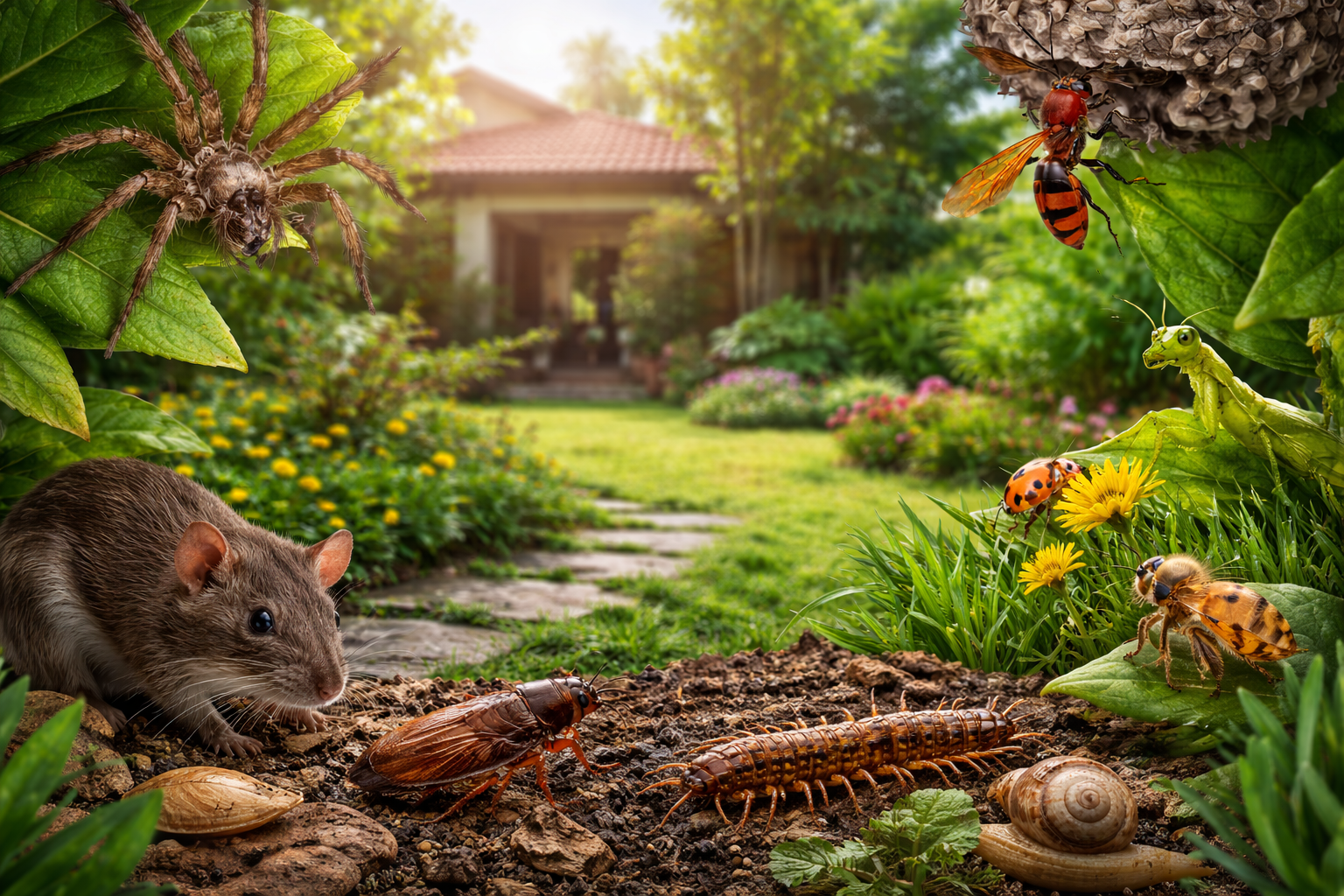
Quick Answer
Not all creepy crawlies in Delhi homes are your enemies. While cockroaches, bed bugs, and termites require immediate professional intervention, house centipedes, spiders, and ladybugs are natural pest controllers that protect your home. Understanding the difference helps you make informed decisions about which insects to eliminate and which to tolerate for natural pest management.
Table of Contents
- Understanding Delhi's Unique Insect Ecosystem
- The Harmful Three: Insects You Must Eliminate
- The Protective Four: Nature's Pest Controllers
- How to Distinguish Friend from Foe
- When to Call Professional Pest Control
- FAQs About Delhi's Creepy Crawlies
Understanding Delhi's Unique Insect Ecosystem
Delhi's climate creates a perfect breeding ground for diverse insect populations. The scorching summers with temperatures soaring above 40°C, humid monsoons, and relatively mild winters mean that insects thrive year-round in the capital. This unique environmental combination makes Delhi homes particularly susceptible to both harmful pests and beneficial insects.
The urban infrastructure, combined with Delhi's subtropical climate, supports numerous arthropod species that have adapted to live alongside humans. Understanding which ones pose genuine threats versus those that actually help maintain ecological balance within your home is crucial for effective pest management.
Skuas Pest Control has identified the seven most common creepy crawlies Delhi residents encounter, categorizing them into harmful pests requiring elimination and beneficial insects that serve as natural pest controllers.
The Harmful Three: Insects You Must Eliminate
1. German Cockroaches (Blattella germanica)
Identification: Small (12-15mm), light brown with two distinctive dark parallel stripes behind the head. Most active at night.
Why They're Dangerous:
- Carry over 30 types of bacteria including E. coli and Salmonella
- Trigger asthma and allergies, particularly in children
- Contaminate food surfaces and cooking areas
- Reproduce rapidly, one female produces up to 400 offspring annually
Where They Hide: Kitchen cabinets, behind refrigerators, dishwashers, and in warm, moist areas near food sources.
Delhi-Specific Risk: Delhi's dense population and warm climate provide ideal conditions for cockroach infestations, particularly in older residential areas of Karol Bagh, Lajpat Nagar, and Old Delhi.
2. Bed Bugs (Cimex lectularius)
Identification: Tiny (4-6mm), reddish-brown, flat oval bodies that swell after feeding. Leave behind dark spots (fecal matter) on bedding.
Why They're Dangerous:
- Cause itchy, allergic reactions and skin infections from scratching
- Severely impact sleep quality and mental health
- Extremely difficult to eliminate without professional treatment
- Spread through luggage, second-hand furniture, and public transportation
Where They Hide: Mattress seams, bed frames, headboards, furniture crevices, electrical outlets, and picture frames.
Delhi-Specific Risk: High population density, frequent travel through ISBT and railway stations, and the thriving second-hand furniture market in areas like Sarojini Nagar increase bed bug transmission risks.
3. Subterranean Termites (Odontotermes spp.)
Identification: Pale, soft-bodied insects (4-8mm) resembling ants but with straight antennae and broad waists. Often seen during monsoons when they swarm.
Why They're Dangerous:
- Cause severe structural damage to wooden furniture, doors, and building frameworks
- Work silently within wood, making detection difficult until significant damage occurs
- Can compromise building integrity, leading to expensive repairs
- Infestations grow exponentially if left untreated
Where They Hide: Underground colonies that build mud tubes to access wooden structures, particularly in foundations, basements, and ground-floor rooms.
Delhi-Specific Risk: The monsoon season (July-September) triggers termite swarming. Older constructions in South Delhi, Central Delhi, and East Delhi are particularly vulnerable due to wooden structures and moisture accumulation.
Professional Intervention Required: All three harmful insects require immediate professional pest control services. Skuas Pest Control offers comprehensive treatment plans with government-approved chemicals and follow-up services to ensure complete elimination.
The Protective Four: Nature's Pest Controllers
4. House Centipedes (Scutigera coleoptrata)
Identification: Long, slender body (25-35mm) with 15 pairs of extremely long legs. Yellowish-gray with dark stripes. Move at remarkable speeds.
Why They're Beneficial:
- Voracious predators of cockroaches, bed bugs, silverfish, and spiders
- Hunt primarily at night when most pests are active
- A single house centipede can consume dozens of pests weekly
- Do not damage property, contaminate food, or spread diseases
Harmless to Humans: While they can technically bite, their small forcipules rarely penetrate human skin. Bites are extremely rare and cause only mild, localized irritation similar to a bee sting.
Where They're Found: Bathrooms, basements, and damp corners where their prey congregates.
Expert Advice from Skuas Pest Control: If you spot house centipedes regularly, it indicates you likely have other pest populations they're feeding on. Consider this a natural early warning system.
5. Common House Spiders (Various Species)
Identification: Most Delhi home spiders are small (5-15mm), brown or gray, with eight legs. Build webs in corners, windowsills, and ceiling edges.
Why They're Beneficial:
- Trap and consume mosquitoes, flies, moths, and other flying insects
- One spider can capture hundreds of insects in its lifetime
- Reduce disease-carrying mosquito populations naturally
- Completely harmless, Indian house spider species are non-venomous
Where They're Found: Upper corners of rooms, behind furniture, near windows where flying insects enter.
Cultural Note: Many Indian households traditionally consider spiders auspicious. This traditional wisdom aligns with their ecological benefits as natural pest controllers.
6. Ladybugs/Lady Beetles (Coccinellidae family)
Identification: Small (5-8mm), dome-shaped beetles, typically red or orange with black spots. The six-spotted zigzag ladybird is common in Delhi.
Why They're Beneficial:
- Consume up to 50-60 aphids daily, protecting indoor plants
- Feed on mealybugs, scale insects, and mites
- Completely harmless to humans and pets
- Indicate a healthy, balanced indoor environment
Where They're Found: Near houseplants, windowsills, balcony gardens, and kitchen herb gardens.
Agricultural Impact: Particularly valuable for Delhi's growing urban gardening community in areas like Chattarpur Farms and balcony gardens across apartment complexes.
7. House Geckos (Hemidactylus species)
Identification: Small lizards (7-15cm) with translucent skin, large eyes, and sticky toe pads. Typically pale brown or gray.
Why They're Beneficial:
- Primary predators of mosquitoes, flies, cockroach nymphs, and moths
- Active at night when mosquito activity peaks
- One gecko consumes 20-30 mosquitoes nightly
- Help control dengue and malaria vectors naturally
Completely Harmless: Despite common misconceptions, house geckos are non-venomous, don't bite humans, and their droppings are far less problematic than rodent or cockroach feces.
Where They're Found: Walls, ceilings, behind curtains, and near light sources that attract insects.
Delhi Health Perspective: With Delhi recording thousands of dengue cases annually, maintaining gecko populations provides valuable natural mosquito control, especially during monsoon season.
How to Distinguish Friend from Foe
Quick Identification Guide
Harmful Signs:
- Found in large numbers near food sources
- Leave behind feces, shed skins, or egg cases
- Cause visible property damage
- Bite or sting unprovoked
- Associated with unpleasant odors
Beneficial Signs:
- Solitary or small numbers
- Found near windows, corners, or hunting grounds
- Consume other insects
- Avoid human contact
- No property damage or contamination
The "Watch and Wait" Approach
Before calling professional pest control, observe the insect's behavior:
- Location: Is it near food storage or in hunting areas?
- Activity: Does it feed on other insects?
- Numbers: Single specimen or infestation?
- Damage: Any signs of property destruction or contamination?
Skuas Pest Control recommends professional assessment if you're uncertain or dealing with large numbers of any insect species.
When to Call Professional Pest Control
Immediate Action Required For:
- Cockroach sightings during daytime (indicates severe infestation)
- Multiple bed bug bites or blood spots on bedding
- Mud tubes or wood damage from termites
- Large populations of any insect species
- Repeated infestations despite DIY treatments
Why Choose Skuas Pest Control
Skuas Pest Control specializes in Delhi NCR's unique pest challenges with:
- Government-approved chemicals safe for families and pets
- Trained technicians understanding local insect behavior
- Customized treatment plans for Delhi's climate
- Follow-up inspections ensuring complete elimination
- Emergency response within 24 hours
- Transparent pricing with no hidden charges
Our integrated pest management approach eliminates harmful insects while preserving beneficial species that naturally control pest populations.
Service Areas
We serve all Delhi NCR areas including South Delhi, North Delhi, East Delhi, West Delhi, Central Delhi, Noida, Gurgaon, Faridabad, and Ghaziabad.
Contact Skuas Pest Control: For professional pest assessment and treatment, call us today. Our experts identify harmful versus beneficial insects and provide targeted solutions that protect your family while maintaining ecological balance.
Prevention Tips for Delhi Homes
Reduce Pest Attraction:
- Seal entry points: Caulk cracks around windows, doors, and pipes
- Manage moisture: Fix leaks promptly; Delhi's monsoon humidity attracts insects
- Food storage: Use airtight containers; never leave food exposed overnight
- Regular cleaning: Vacuum weekly, especially corners and under furniture
- Waste management: Empty bins daily; Delhi's heat accelerates decomposition
- Declutter: Remove cardboard boxes and paper clutter that harbor pests
Preserve Beneficial Insects:
- Avoid pesticide sprays in areas with house centipedes or spiders
- Don't disturb spider webs in non-living areas
- Relocate geckos gently if necessary rather than eliminating them
- Maintain houseplants that attract beneficial ladybugs
FAQs About Delhi's Creepy Crawlies
1. Are house centipedes dangerous to humans?
No, house centipedes are harmless and beneficial. While they can technically bite, their forcipules rarely penetrate human skin. They're shy creatures that avoid humans and actively hunt harmful pests like cockroaches and bed bugs in your home.
2. How can I tell if I have a cockroach infestation?
Signs include spotting cockroaches during daytime, finding their droppings (small dark pellets), musty odor, egg cases in cabinets, and grease marks along walls. If you see one cockroach, dozens more likely hide nearby. Contact Skuas Pest Control immediately for professional assessment.
3. Should I kill spiders in my home?
Most spiders in Delhi homes are harmless and beneficial pest controllers. Unless you have arachnophobia or they're in sleeping areas, consider tolerating them as natural mosquito and fly catchers. Skuas Pest Control can identify any potentially harmful species, though these are extremely rare in Delhi residential areas.
4. Why do I see more insects during monsoon season?
Delhi's monsoon (July-September) increases humidity, which activates termite swarming, boosts mosquito breeding, and drives insects indoors seeking shelter. This seasonal increase is normal but requires preventive measures like sealing entry points and maintaining dry indoor environments.
5. Can ladybugs control aphids on my balcony plants?
Yes, ladybugs are excellent natural aphid controllers. A single ladybug consumes 50-60 aphids daily. If you maintain balcony or indoor gardens, ladybugs provide chemical-free pest control. Avoid pesticide use that could harm these beneficial insects.
6. How do I differentiate between termites and flying ants?
Termites have straight antennae, equal-length wings, and broad waists. Flying ants have elbowed antennae, different wing lengths, and narrow waists. If you spot swarmers (flying insects) near wood during monsoon, contact Skuas Pest Control immediately for professional identification and treatment.
7. Are geckos really beneficial or just unsanitary?
House geckos are highly beneficial mosquito controllers, consuming 20-30 mosquitoes nightly. They're non-venomous, don't bite humans, and their presence indicates good insect prey populations. While some find them unsettling, they're valuable allies against disease-carrying mosquitoes in Delhi.
8. What's the most effective way to prevent bed bugs in Delhi?
Inspect second-hand furniture thoroughly before bringing it home, use protective mattress covers, vacuum regularly, avoid placing luggage on beds after travel, and wash bedding weekly in hot water. If traveling, inspect hotel rooms before unpacking. Skuas Pest Control offers preventive treatments for high-risk situations.
9. Can I use natural methods instead of chemical pest control?
Natural methods work for prevention and minor issues but aren't sufficient for established infestations of harmful insects like cockroaches, bed bugs, or termites. Skuas Pest Control uses integrated pest management combining minimal chemical intervention with preventive strategies and beneficial species preservation.
10. How often should Delhi homes have professional pest inspections?
We recommend annual inspections before monsoon season (June) when pest activity peaks. Homes with previous infestations, older constructions, or ground-floor apartments should consider semi-annual inspections. Skuas Pest Control offers customized maintenance plans for ongoing protection.
Conclusion
Understanding the difference between harmful pests and beneficial insects transforms your pest management approach from reactive panic to strategic, informed decisions. Delhi's unique climate supports both destructive species like cockroaches, bed bugs, and termites that require immediate professional intervention, and beneficial creatures like house centipedes, spiders, ladybugs, and geckos that provide free, natural pest control.
Skuas Pest Control specializes in integrated pest management that eliminates threats while preserving ecological balance in your Delhi NCR home. Our expert technicians understand local insect behavior patterns, seasonal variations, and the most effective treatments for Delhi's climate.
Don't let fear of all creepy crawlies lead to unnecessary chemical treatments. Learn which insects protect your home naturally and which pose genuine health and property risks. For professional assessment, targeted elimination of harmful pests, and advice on maintaining beneficial species, contact Skuas Pest Control today.
Protect your family. Preserve balance. Choose Skuas Pest Control.
For immediate pest control assistance in Delhi NCR, contact Skuas Pest Control. Our certified technicians provide same-day service with eco-friendly, government-approved treatments that protect your family while maintaining ecological balance.