
Quick Answer
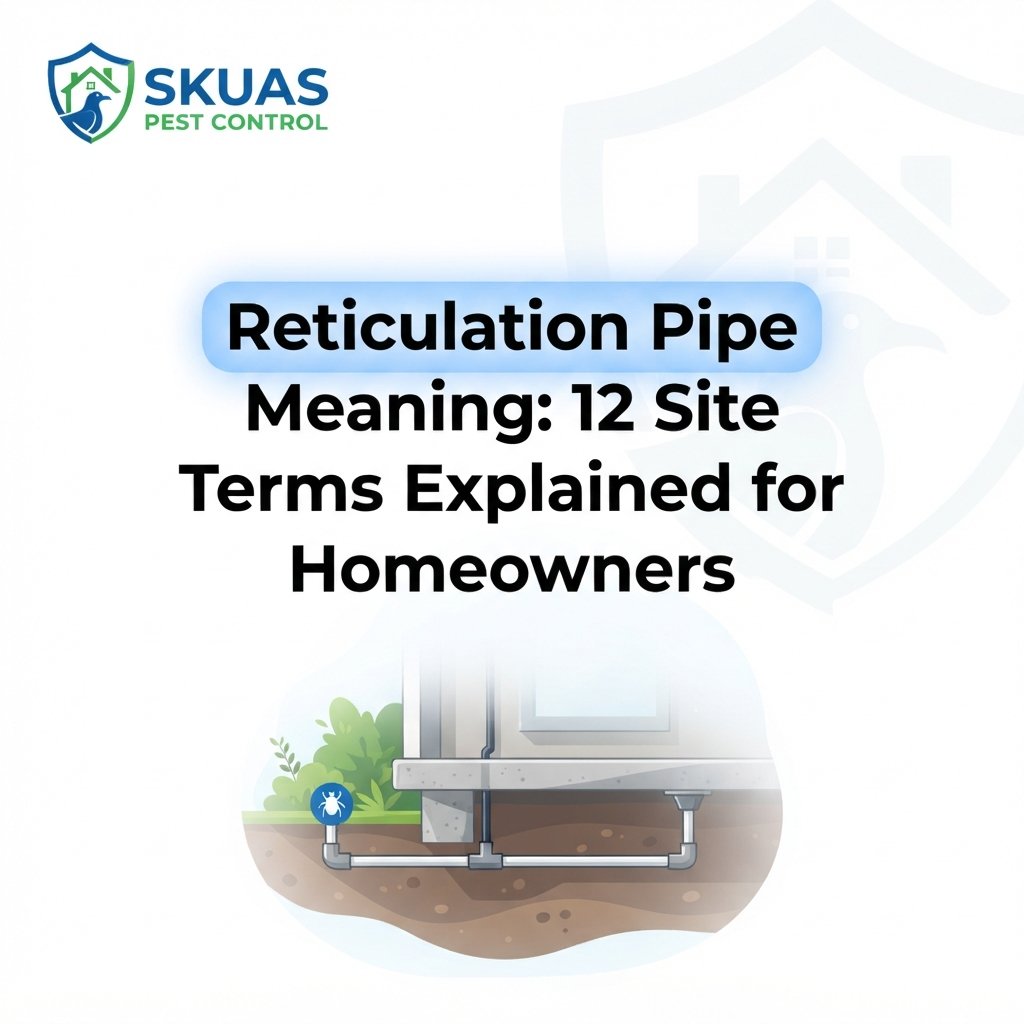
The term reticulation pipe meaning refers to a network of specially designed underground pipes installed around a building’s foundation during construction to create a replenishable chemical barrier against subterranean termites. According to the U.S. Environmental Protection Agency (EPA), it is crucial to protect structures from these damaging pests. For homeowners in 2026, understanding this system is key to long-term property protection.
- Proactive Prevention: It's a pre-construction measure that stops termites before they can cause damage.
- No Drilling Required: The system allows for refilling termiticide from external points without drilling into your floors or walls.
- Long-Term Solution: With periodic recharging, it offers continuous protection for the life of the building.
When you're building a new home or managing a commercial property, you’ll encounter a lot of technical jargon from architects and contractors. One term that often causes confusion is "reticulation." If you've heard this during discussions about termite proofing, you're in the right place. This system is one of the most effective, long-term solutions for protecting your property investment from destructive subterranean termites. In this guide, we'll break down the meaning of a reticulation pipe system and explain 12 common site terms you need to know. Understanding these concepts in 2026 is crucial for making informed decisions about the structural safety and longevity of your building.
What is an Anti-Termite Reticulation System?
At its core, an anti-termite reticulation system is a network of flexible, porous pipes laid in the soil under and around a building before the concrete foundation is poured. This network acts like a subterranean irrigation system, but instead of water, it's designed to uniformly distribute liquid termiticide. The goal is to create a complete and continuous chemical barrier in the soil, preventing subterranean termites from entering the structure from below. The key advantage is that this barrier can be easily "recharged" or "replenished" every few years through external refilling points, ensuring protection remains effective without the need for disruptive drilling.
12 Essential Reticulation Site Terms Explained
Understanding the language used on-site is crucial. Here are 12 key terms you'll likely hear when discussing your anti-termite reticulation system.
- Reticulation Piping: The main component—a flexible, chemically resistant pipe with precisely drilled holes (emitters) for even distribution of termiticide.
- Emitter: The small holes or pores in the pipe that allow the liquid chemical to seep out into the soil at a controlled rate.
- Junction Box (or Refilling Point): A secure box, usually installed on an exterior wall or in a discreet location, that provides access to the piping network for refilling.
- Termiticide: A government-approved chemical agent specifically formulated to kill or repel termites. The U.S. Environmental Protection Agency (EPA) strictly regulates their use to ensure safety and effectiveness.
- Subterranean Termites: The target pest. These termites live in underground colonies and build mud tubes to travel into buildings in search of wood and cellulose to eat.
- Pre-Construction Treatment: The process of installing the reticulation system and applying the first round of termiticide after the foundation trenches are dug but before the concrete slab is poured.
- Chemical Barrier: The continuous zone of treated soil created by the termiticide released from the pipes. This barrier blocks all potential termite entry points.
- Recharging (or Replenishment): The process of pumping new termiticide into the system through the junction boxes, typically done every 3-5 years to maintain the barrier's strength.
- PSI (Pounds per Square Inch): A measure of the pressure used by the pump to push the liquid termiticide through the entire network of pipes, ensuring full coverage.
- Distribution Lines: The network of pipes laid across the area to be protected. The layout is strategically planned to cover the entire footprint of the building.
- Slab Foundation: The concrete floor of the building. The reticulation system is installed beneath this slab.
- Manifold: A fitting that connects multiple pipe sections, allowing the termiticide to be distributed from a single refilling point into different zones of the system.
The Reticulation Installation Process: A 4-Step Overview
A professional installation is critical for the system's success. While specifics may vary, the process generally follows these four steps:
- Step 1: Site Planning & Layout: A pest control expert designs the piping layout based on the building's architectural plans to ensure complete coverage of the foundation and critical entry points.
- Step 2: Pipe Installation: The reticulation pipes are laid down in the prepared trenches and leveled soil before the foundation's vapor barrier or steel reinforcements are placed. Pipes are secured to prevent movement.
- Step 3: System Connection & Testing: All pipes are connected to the main lines leading to the junction boxes. The system is often pressure-tested with air or water to check for leaks before the initial chemical charge.
- Step 4: Initial Charging & Commissioning: Once the system is confirmed to be secure, the first dose of termiticide is pumped through the network. The junction boxes are then sealed, and the homeowner is given a certificate and a map of the installation.
Common Mistakes to Avoid with Termite Reticulation
To ensure your investment provides lasting protection, steer clear of these common pitfalls:
- Using Non-Standard Pipes: Insisting on high-quality, purpose-built reticulation piping is non-negotiable. Using cheap irrigation pipes can lead to clogging, uneven distribution, and chemical degradation.
- Improper Pipe Spacing: Leaving gaps between pipe runs creates untreated "cold spots" in the soil, which termites can easily exploit to bypass the barrier.
- Forgetting to Recharge: The system is only effective if the chemical barrier is maintained. Forgetting to schedule replenishment every few years renders the system useless.
- Damaging Pipes Post-Construction: Subsequent work like landscaping, plumbing, or installing a fence can accidentally damage the underground pipes. Always refer to the installation diagram before digging near the foundation.
- DIY Installation: Installing a reticulation system and handling termiticides requires specialized knowledge and equipment. Always hire a licensed and experienced professional to ensure it’s done safely and effectively. If you have questions, it's best to book a pest inspection today.
FAQs About Anti-Termite Reticulation Systems
1. How often does a reticulation system need refilling?
Typically, a system needs to be recharged with termiticide every 3 to 5 years. The exact frequency depends on the type of chemical used, soil conditions, and local regulations.
2. Is the chemical used in reticulation systems safe?
Yes, when handled by licensed professionals. The termiticides are approved by regulatory bodies and are delivered underground, minimizing any exposure to people, pets, or the environment on the surface.
3. Can a reticulation system be installed in an existing building?
No, the standard reticulation system is a pre-construction treatment installed before the foundation is laid. For existing buildings, alternative post-construction methods like drilling and injecting are used.
4. What is the lifespan of the reticulation pipes?
The pipes themselves are made of durable, chemically-resistant materials designed to last for the lifetime of the building, often with a 50+ year expected lifespan.
5. Is this system more effective than a traditional termite treatment?
Its primary advantages are uniformity and replenishability. It creates a more even barrier than drill-and-fill methods and can be easily maintained over decades without any structural disruption.
Protect Your Home & Family from Harmful Pests
SKUAS Pest Control provides expert, safe, and reliable pest management solutions for homes and businesses.
Book a Pest Inspection Today