
Quick Answer
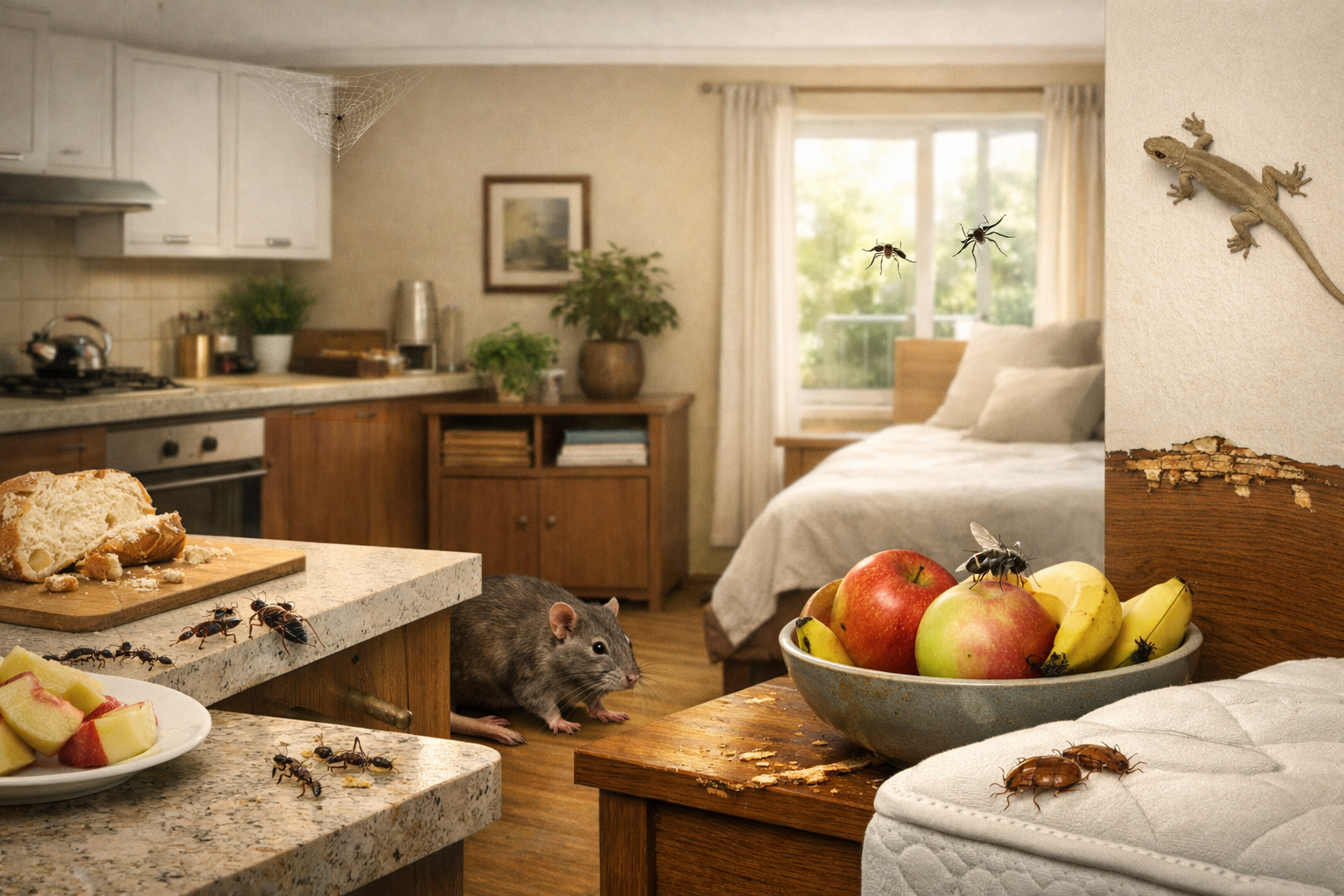
Delhi homes face 10 major pest threats including cockroaches, mosquitoes, termites, rats, bed bugs, ants, flies, lizards, spiders, and silverfish. These pests spread through cracks, drains, infested items, poor sanitation, and seasonal weather changes. Understanding their behavior and entry points helps homeowners implement effective prevention strategies and know when professional pest control services are necessary.
Living in Delhi, you've probably encountered uninvited guests scurrying across your kitchen floor or buzzing around your bedroom at night. The capital's climate, dense population, and rapid urbanization create the perfect breeding ground for various pests. After working with thousands of Delhi households over the years, I've seen firsthand how these tiny intruders can disrupt daily life and pose serious health risks.
The monsoon season brings mosquitoes, winter drives rats indoors seeking warmth, and summer heat intensifies cockroach activity. Understanding which pests commonly invade Delhi homes and how they spread is your first line of defense in maintaining a healthy, pest-free living environment.
1. Cockroaches: Delhi's Most Persistent Pest Problem
German cockroaches and American cockroaches dominate Delhi households, thriving in the city's warm, humid conditions. These resilient insects can survive for weeks without food and squeeze through gaps as thin as a credit card.
How Cockroaches Spread in Delhi Homes
Cockroaches typically enter through drainage pipes, gaps under doors, cracks in walls, and ventilation systems. They hitchhike in grocery bags, cardboard boxes, and second-hand furniture. In apartment complexes, they travel between units through shared plumbing systems.
Delhi's dense housing colonies create superhighways for cockroach movement. One infested apartment can quickly spread roaches to neighboring units within weeks. These pests are attracted to food residues, moisture, and warmth, making kitchens and bathrooms their favorite hiding spots.
Prevention tip: Seal all cracks and crevices, fix leaking pipes immediately, store food in airtight containers, and clean kitchen surfaces thoroughly after cooking.
2. Mosquitoes: The Seasonal Health Threat
Delhi experiences three main mosquito species: Aedes aegypti (dengue carrier), Anopheles (malaria carrier), and Culex (general nuisance). The monsoon season from July to September sees mosquito populations explode across the city.
Mosquito Breeding and Spread Patterns
Mosquitoes breed in stagnant water, requiring just a bottle cap's worth for egg-laying. Common breeding sites in Delhi homes include water coolers, flower pots, roof gutters, discarded containers, and poorly maintained water tanks.
Female mosquitoes can fly up to 3 kilometers, easily spreading between neighborhoods. They're most active during dawn and dusk, entering homes through open windows, doors, and even small ventilation gaps.
Real-world observation: During Delhi's 2023 dengue outbreak, homes with neglected rooftop water storage reported 60% higher mosquito presence than those with properly covered tanks.
3. Termites: The Silent Wood Destroyers
Subterranean termites are particularly prevalent in Delhi NCR, causing millions in property damage annually. These pests work silently, often going undetected until significant structural damage occurs.
How Termites Infiltrate Delhi Properties
Termites enter buildings through soil contact, cracks in foundations, and moisture-damaged wood. They build mud tubes to travel from soil to wooden structures, creating highways invisible to untrained eyes.
Delhi's construction boom provides endless termite food sources. They spread through contaminated soil during construction, infested wooden furniture, and connecting structures between buildings. Monsoon moisture accelerates their activity significantly.
Warning signs: Look for hollow-sounding wood, discarded wings near windows, mud tubes on walls, and small holes in wooden furniture.
4. Rats and Mice: Urban Rodent Invasion
Delhi's brown rats (Norway rats) and house mice thrive in the city's waste management challenges. A single rat can contaminate ten times more food than it consumes through droppings and urine.
Rodent Entry and Spread Mechanisms
Rats enter homes through gaps larger than 0.5 inches, broken vents, damaged roof tiles, and open drain pipes. They're excellent climbers and swimmers, navigating through Delhi's complex drainage systems to access homes.
Construction activities displace rodent colonies, forcing them into residential areas. They follow food trails, drawn by accessible garbage, bird feeders, and improperly stored food items. One breeding pair can produce 2,000 descendants in a year under ideal conditions.
5. Bed Bugs: The Nighttime Bloodsuckers
Bed bug infestations in Delhi have increased 300% over the past decade, particularly in densely populated areas. These apple seed-sized pests feed exclusively on blood, leaving itchy welts on victims.
How Bed Bugs Spread Across Delhi
Bed bugs hitchhike through luggage, clothing, second-hand furniture, and public transportation. Delhi's busy railway stations and metro system facilitate their spread across the city. They can survive months without feeding, making them persistent invaders.
In apartments and hostels, bed bugs crawl through electrical outlets, wall cracks, and shared ventilation systems. A single infested mattress brought into a building can contaminate multiple units within months.
Expert insight: After inspecting Delhi homes, I've found bed bugs most commonly enter through travel luggage and used furniture purchases from Sadar Bazaar and Lajpat Nagar markets.
6. Ants: The Colony Builders
Delhi homes primarily deal with black ants, red ants, and carpenter ants. While seemingly harmless, large colonies can damage wooden structures and contaminate food supplies.
Ant Trail Development and Spread
Ants follow pheromone trails left by scout ants who've discovered food sources. They enter through tiny cracks, window frames, door gaps, and utility line entry points. A single colony can have 300,000 workers searching for food.
Seasonal patterns affect ant activity, monsoons drive them indoors seeking dry shelter, while summer heat intensifies their search for water sources. Delhi's sweet-loving residents often attract ants through sugar spills and improperly sealed food containers.
7. Houseflies and Fruit Flies: Disease Vectors
Houseflies and fruit flies are ubiquitous in Delhi, particularly near markets and residential areas with poor waste management. A single housefly can carry over 100 different pathogens.
Fly Breeding and Transmission
Houseflies breed in garbage, animal waste, and decomposing organic matter. They complete their lifecycle in just 7-10 days, meaning populations explode rapidly. Flies enter through open doors, windows, and damaged screens, attracted by food odors and organic waste.
Fruit flies target overripe fruits, fermented foods, and drain buildup. Delhi's fruit vendors and markets create perfect breeding grounds, with flies spreading to nearby homes within hours.
8. Common House Lizards: The Insect Hunters
While house lizards (geckos) actually help control insect populations, many Delhi residents consider them pests due to their droppings and unexpected appearances.
Lizard Entry and Population Spread
Lizards enter through open windows, ventilation gaps, and cracks in walls. They're attracted to homes with high insect populations, their primary food source. Delhi's warm climate allows year-round lizard activity, unlike colder regions where they hibernate.
They spread by following insect trails and seeking warm, humid environments. Poorly sealed bathrooms and kitchens become their favorite hunting grounds.
9. Spiders: The Web Weavers
Delhi homes encounter various spider species, though most are harmless. House spiders and jumping spiders are most common, building webs in corners, behind furniture, and in storage areas.
Spider Migration Patterns
Spiders enter seeking prey, following insect populations into homes. They crawl through gaps, vents, and open windows, particularly during monsoon season when outdoor conditions become unfavorable. Cluttered storage areas and undisturbed corners provide ideal web-building locations.
10. Silverfish: The Book and Fabric Eaters
Silverfish thrive in Delhi's humidity, particularly in bathrooms, kitchens, and storage areas. These wingless insects damage books, wallpaper, clothing, and stored food items.
Silverfish Spread and Infestation
Silverfish enter through cardboard boxes, old books, and newspapers. They love damp, dark environments with temperatures between 70-80°F, perfect description of many Delhi homes during monsoon. They spread slowly but establish permanent populations if conditions remain favorable.
Understanding Seasonal Pest Patterns in Delhi
Delhi's pest problems vary dramatically with seasons. Summer (April-June) intensifies cockroach and ant activity as they seek water sources. Monsoon (July-September) explodes mosquito populations and drives rodents indoors. Winter (December-February) sees increased rodent invasions as pests seek warmth.
This seasonal variation requires year-round vigilance and seasonal prevention strategies tailored to Delhi's climate patterns.
Common Entry Points for Household Pests in Delhi
Most pests exploit these common vulnerabilities:
**Cracks and gaps** in walls, foundations, and window frames**Drainage systems** and sewer connections**Utility entry points** where pipes and wires enter buildings**Door and window gaps** lacking proper weather stripping**Ventilation systems** and AC ductwork**Delivered items** including furniture, groceries, and packages**Shared walls** in apartment complexesPrevention Strategies for Delhi Homes
Protecting your Delhi home requires consistent effort:
1. Seal entry points using caulk, weather stripping, and door sweeps
2. Maintain cleanliness by removing food debris, fixing leaks, and managing garbage properly
3. Control moisture through proper ventilation and leak repairs
4. Inspect incoming items especially second-hand furniture and delivery packages
5. Store food properly in airtight containers and sealed pantries
6. Regular maintenance including drain cleaning and roof inspection
7. Yard management by trimming vegetation and removing standing water
When to Call Professional Pest Control Services
While prevention helps, some situations require professional intervention. Contact pest control experts when:
You see multiple pests daily despite prevention effortsYou find evidence of termite damage or mud tubesRodent droppings appear regularlyBed bug bites continue despite treatment attemptsCockroaches appear during daytime (indicating severe infestation)FAQ: Common Household Pests in Delhi
Q: What is the most common household pest in Delhi homes?
Cockroaches are the most prevalent household pest in Delhi, with German cockroaches particularly common in apartments and houses. They thrive in Delhi's warm climate and readily available food and water sources. The city's dense population and interconnected housing make cockroach infestations spread easily between neighboring properties.
Q: Why do pest problems increase during Delhi's monsoon season?
Monsoon season creates ideal conditions for mosquito breeding in standing water, drives rodents indoors seeking dry shelter, and increases humidity that attracts silverfish and cockroaches. The combination of moisture, warmth, and displaced outdoor pests creates perfect storm for household infestations during July-September.
Q: How can I tell if I have termites in my Delhi home?
Look for hollow-sounding wood when tapped, mud tubes running along walls or foundations, discarded wings near windows and doors (especially during March-May swarming season), small holes in wooden furniture, and visible damage to wooden structures. Termites often go undetected until significant damage occurs, making professional inspections valuable.
Q: Are Delhi's household pests dangerous to health?
Yes, many common pests pose health risks. Mosquitoes transmit dengue, malaria, and chikungunya. Cockroaches trigger allergies and asthma while spreading bacteria. Rodents carry leptospirosis, plague, and hantavirus. Flies contaminate food with pathogens. Even seemingly harmless pests like lizards can cause salmonella through their droppings.
Q: What's the best time for pest control treatment in Delhi?
Pre-monsoon treatment (May-June) prevents mosquito and cockroach population explosions during rainy season. Post-monsoon treatment (October) addresses pests that established during rains. Winter treatment (November-January) targets rodents seeking indoor warmth. However, addressing pest problems immediately upon detection is always recommended rather than waiting for seasonal timing.
Conclusion: Protecting Your Delhi Home from Pest Invasions
Understanding common household pests in Delhi and their spread mechanisms empowers you to create effective defense strategies. From cockroaches exploiting drainage systems to mosquitoes breeding in neglected water containers, each pest has specific vulnerabilities you can target.
Delhi's unique urban environment and seasonal climate patterns create year-round pest challenges requiring vigilant prevention and timely intervention. Regular home maintenance, proper sanitation, and sealing entry points form your first line of defense against these unwanted invaders.
Remember that pest control isn't just about elimination, it's about creating environments where pests cannot thrive. By implementing the prevention strategies outlined above and staying alert to early warning signs, you'll maintain a healthier, more comfortable living space.
If you're struggling with persistent pest problems despite prevention efforts, professional pest control services provide targeted solutions tailored to Delhi's specific pest challenges. Don't let pests compromise your family's health and home comfort, take action today to reclaim your living space from these common household invaders.