
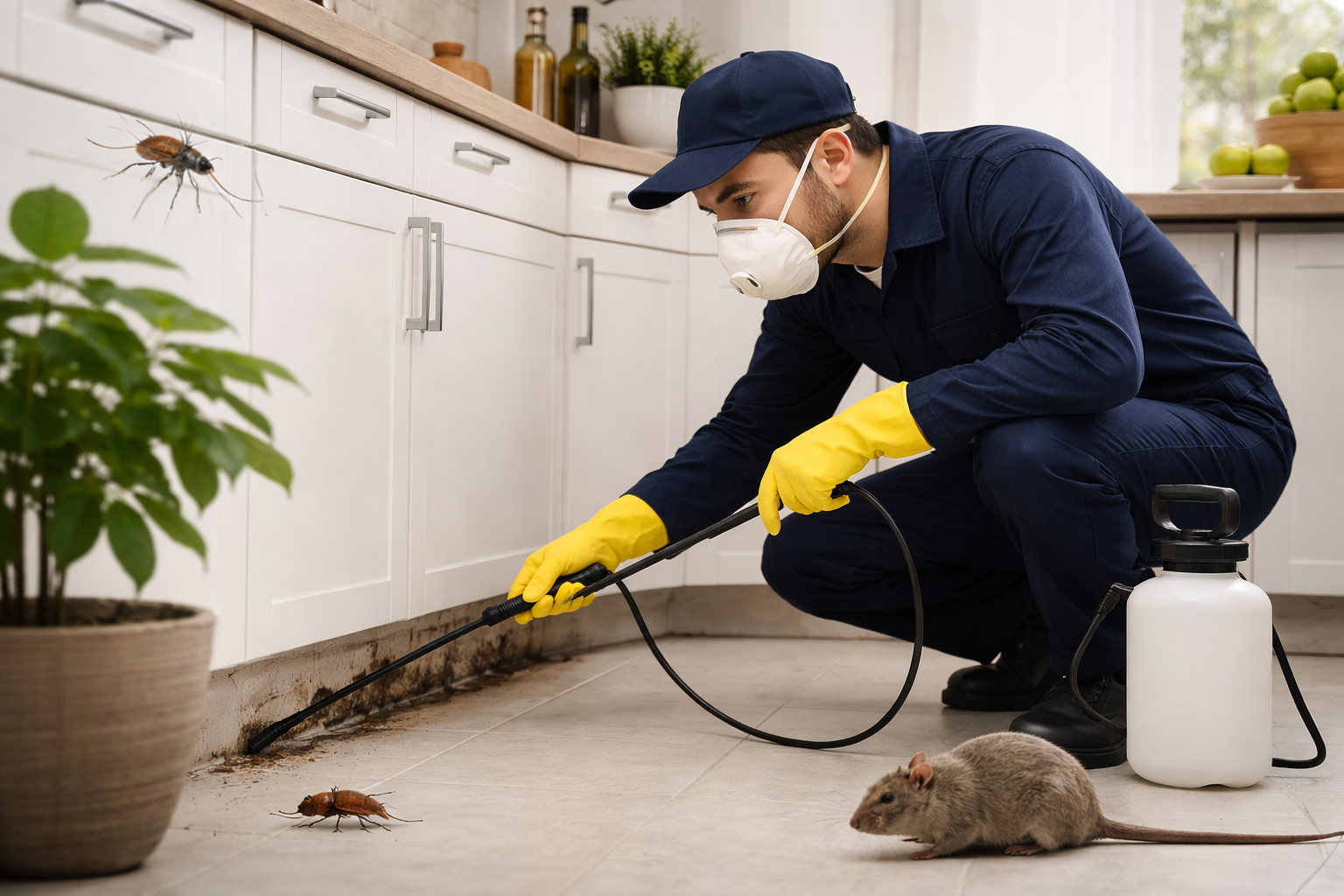
Quick Answer: Chandigarh's changing climate, warmer winters, and rapid urban development create continuous pest breeding conditions throughout the year. While monsoon sees peak activity, termites, mosquitoes, cockroaches, and rodents remain active year-round. Professional pest control with scheduled inspections, eco-friendly treatments, and Integrated Pest Management prevents infestations, protects family health, and saves thousands in repair costs.
Table of Contents
- Why "Monsoon-Only" Pest Control Fails in Chandigarh
- How Chandigarh's Climate Drives Year-Round Pest Activity
- Pests to Watch Every Season
- Local Evidence: Seasonal vs Continuous Risk
- Professional Year-Round Strategies That Work
- 12-Point Homeowner Checklist
- Cost & Budget Planning
- Choosing the Right Provider
- Frequently Asked Questions
- Take Action Today
Why "Monsoon-Only" Pest Control Fails in Chandigarh
Many Chandigarh homeowners make a critical mistake: scheduling pest control only during monsoon season. While June through September certainly sees increased pest activity, this reactive approach leaves your home vulnerable for eight months of the year.
Chandigarh's pest challenges have evolved significantly over the past decade. The region now experiences warmer winters with minimum temperatures rarely dropping below 5°C, compared to near-freezing temperatures two decades ago. This climate shift allows pests to remain active during months when they previously went dormant.
Urban heat islands compound the problem. As Chandigarh expands with concrete structures, shopping complexes, and high-rise buildings, localized temperatures stay elevated even during winter months. Research shows temperatures above 27°C combined with humidity levels between 60% and 78% create ideal conditions for mosquito breeding, conditions that now persist nearly year-round in urban Chandigarh.
Construction activities provide continuous breeding sites. Every vacant lot, every under-construction building, and every improperly sealed drainage system becomes a pest haven regardless of season. When your neighbors have pest problems, those pests don't respect property boundaries.
How Chandigarh's Climate & Urban Growth Change Pest Behaviour
Climate Change Impact on Pests
Since the early 2000s, dengue has been endemic in northern states including Delhi, Rajasthan, Haryana, Punjab and Chandigarh. Climate patterns have intensified this challenge. Recent data reveals concerning trends:
Chandigarh recorded a dengue test positivity rate of 15.09%, placing it among high-positivity states in 2024. This indicates intense disease activity beyond just monsoon months. The extended breeding season means mosquitoes have multiple reproductive cycles annually rather than the single seasonal spike observed in previous decades.
Urban Infrastructure Creates Breeding Grounds
Modern Chandigarh faces unique pest pressures from urban development:
Shared AC Ducting Systems: Multi-story residential buildings with interconnected air conditioning systems allow rodents and cockroaches to travel between apartments undetected. A pest problem on the fifth floor quickly becomes a building-wide issue.
Underground Drainage Networks: While Chandigarh's planned drainage system is superior to many Indian cities, aging infrastructure develops cracks and blockages. Stagnant water accumulates in these hidden spaces, creating perfect mosquito breeding sites that residents never see.
Construction Debris: Rapid development in sectors like Mullanpur, Zirakpur, and New Chandigarh generates construction waste. Piles of bricks, discarded wood, and excavated soil shelter rodents and provide termite entry points to nearby completed structures.
Dense Population: Higher population density means more food waste, more potential entry points, and faster pest spread between properties. A cockroach infestation in one kitchen can spread to five neighboring homes within weeks.
Pests to Watch Year-Round in Chandigarh
Mosquitoes: The 12-Month Threat
Peak Activity: June through November, but increasingly active in winter months
Health Risks: Dengue, chikungunya, malaria
Mosquitoes no longer disappear after monsoon ends. Dengue cases in India follow a clear pattern tied to the monsoon, with cases increasing when rains begin in June, but the breeding grounds remain active afterward. Indoor water storage during winter months, in coolers, planters, and neglected containers, sustains mosquito populations when natural breeding sites dry up.
Female Aedes aegypti mosquitoes, the primary dengue vectors, prefer laying eggs in clean, stored water. That decorative vase, unused bucket, or AC drain tray in your home could produce 50-150 adult mosquitoes weekly. Year-round vigilance is essential, not just summer precautions.
Termites: Silent Structure Destroyers
Peak Activity: March through October, but feeding continues year-round
Damage Potential: ₹50,000 to ₹5 lakhs in structural repairs
Termites don't hibernate. While swarming occurs during humid months, the underground colonies feeding on your home's foundation remain active every day of the year. A single mature termite colony contains up to 2 million workers, all eating 24/7.
Moisture from winter condensation, bathroom leaks, or poor ventilation attracts termites during supposedly "safe" months. They construct mud tubes inside walls where you can't see them, compromising structural integrity for months before visible damage appears. By the time you notice hollow-sounding wood or sagging floors, repair costs have multiplied tenfold.
Cockroaches & House Insects: Food Contamination Risks
Peak Activity: Year-round, with increased indoor activity during winter
Health Risks: Food poisoning, asthma triggers, bacterial contamination
Cockroaches thrive in warm, dark spaces, exactly what Chandigarh homes provide during winter when heating systems and closed windows maintain comfortable indoor temperatures. These pests carry Salmonella, E. coli, and numerous pathogens that cause gastrointestinal illness, especially dangerous for children and elderly family members.
German cockroaches, the most common household species, reproduce rapidly. One female produces 30-40 eggs every six weeks. Within three months, that single cockroach becomes a population of several hundred infesting your kitchen cabinets, bathroom pipes, and appliances.
Rodents: Property Damage & Fire Hazards
Peak Activity: October through March (seeking warmth), but present year-round
Damage Potential: Electrical fires, structural damage, disease transmission
Rats and mice invade Chandigarh homes during winter seeking shelter and food. They gnaw through electrical wiring (causing house fires), contaminate stored food with droppings, and chew through walls and insulation. A single rat family of six adults can produce 60 offspring annually, creating an exponential infestation if not controlled.
Rodents carry leptospirosis, hantavirus, and plague. Their urine and droppings in attics, basements, and wall voids pose serious health risks. Children and pets are especially vulnerable to rodent-borne diseases.
Bed Bugs: The Traveler's Pest
Peak Activity: Year-round, especially in winter when heating systems activate
Spread Method: Luggage, second-hand furniture, guests, laundry
Bed bugs have become increasingly common in Chandigarh's hotels, hostels, and residential areas. These parasites feed on human blood while you sleep, causing itchy welts and potential allergic reactions. Unlike seasonal pests, bed bugs thrive in consistently warm indoor environments, exactly what your bedroom provides year-round.
One pregnant bed bug female brought home in your suitcase can establish an infestation of thousands within four months. They hide in mattress seams, furniture joints, electrical outlets, and picture frames, making DIY elimination nearly impossible.
Real Local Signals: Seasonality vs Continuous Risk
Post-Monsoon Persistence
Chandigarh Municipal Corporation reports reveal concerning patterns. While dengue cases peak in September-October, significant case numbers persist through December and January, months traditionally considered "safe." This reflects standing water in poorly maintained parks, clogged street drains, and improperly covered residential tanks that continue breeding mosquitoes long after rains stop.
Construction Zone Outbreaks
Areas surrounding New Chandigarh and Mullanpur report termite problems year-round due to constant excavation and construction. Disturbed soil exposes existing termite colonies, forcing them to seek new food sources, namely, your completed home nearby. These aren't seasonal swarms; they're continuous invasions triggered by ongoing development.
Winter Rodent Surges
Sector 17, 22, and other commercial areas experience increased rodent activity from November through February as rats seek warm spaces. Restaurant districts and market areas provide abundant food scraps that sustain large rodent populations throughout winter months. These populations then spread to surrounding residential sectors.
Shared Building Challenges
Residents of multi-story buildings in Sectors 34, 47, and newer developments report year-round cockroach and ant problems. Shared plumbing, common garbage chutes, and interconnected utility spaces create pest superhighways. One infested apartment affects the entire building, requiring coordinated treatment regardless of season.
Professional Year-Round Strategies That Work
Integrated Pest Management (IPM) Approach
Integrated Pest Management is an eco-friendly approach which aims at keeping pest populations below economic threshold levels by employing cultural, mechanical and biological methods with emphasis on bio-pesticides, using chemical pesticides only as a last resort.
Professional services like Skuas Pest Control implement IPM through a systematic process:
Phase 1: Comprehensive Inspection
Certified technicians examine your entire property, not just visible areas. They check attics, crawl spaces, wall voids, drainage systems, and outdoor perimeter. This identifies existing infestations, vulnerable entry points, and conducive conditions attracting pests.
Phase 2: Targeted Treatment
Rather than spraying chemicals everywhere, professionals apply specific treatments where pests actually live and breed. Gel baits for cockroaches in kitchen cabinets. Bait stations for rodents along travel paths. Larvicides in water collection points. This targeted approach uses fewer chemicals while achieving better results.
Phase 3: Preventive Barriers
Creating physical and chemical barriers prevents re-infestation. Sealing entry points, installing door sweeps, applying perimeter treatments, and establishing exclusion zones keeps new pests from entering after treatment eliminates existing populations.
Phase 4: Ongoing Monitoring
Scheduled follow-up inspections detect early warning signs before major infestations develop. Quarterly visits catch problems in their infancy when treatment is simplest and least expensive.
Advanced Solutions for Specific Pests
Anti-Termite Reticulation Systems
For new constructions or major renovations, reticulation systems embed perforated pipes in the foundation. Termiticide can be reapplied through these pipes without drilling or disruption, providing decades of protection with periodic recharging. This technology, increasingly popular in Chandigarh's newer sectors, offers superior long-term termite prevention.
Mosquito Management Programs
Professional mosquito control combines multiple strategies:
- Larvicidal treatments in standing water bodies eliminate mosquitoes before they become flying adults
- Fogging during peak activity hours targets adult mosquitoes in yards and gardens
- Growth regulators disrupt mosquito development cycles
- Source reduction guidance helps homeowners eliminate breeding sites
Cockroach Gel Bait Systems
Modern gel baits attract cockroaches, which consume the bait and carry it back to nests. One cockroach can contaminate dozens more, creating a cascading elimination effect. This method works continuously for 3-6 months without reapplication and poses minimal risk to children and pets.
Rodent Integrated Control
Professional rodent control combines:
- Exclusion: Sealing entry points larger than 6mm
- Trapping: Strategic placement of snap traps and live traps
- Bait stations: Tamper-resistant stations with rodenticides in high-activity areas
- Monitoring: Regular inspection to assess population levels
Eco-Friendly and Pet-Safe Options
Modern pest control prioritizes safety without sacrificing effectiveness. Professional companies like Skuas Pest Control use:
- Biological control agents: Beneficial bacteria targeting mosquito larvae
- Botanical pesticides: Plant-derived compounds like neem oil and pyrethrin
- Mechanical traps: low-toxicity capture devices for rodents and insects
- Low-toxicity chemicals: EPA-approved products that break down quickly
- Targeted application: Treating specific areas rather than entire homes
These methods protect children, pets, and the environment while effectively managing pest populations. Odorless formulations mean no disruption to daily life, no need to evacuate your home or avoid treated areas for days.
What Homeowners Must Do: 12-Point Year-Round Checklist
Every Month: Basic Prevention
1. Eliminate Standing Water
Check and empty plant saucers, cooler trays, buckets, old tires, and any container holding water for more than three days. Change pet water bowls and bird baths weekly. Clean roof gutters to prevent water accumulation.
2. Proper Waste Management
Use sealed garbage bins with tight-fitting lids. Empty kitchen waste daily, especially during warm months. Rinse food containers before discarding. Keep outdoor bins away from house walls and clean them monthly.
3. Seal Entry Points
Inspect and seal cracks in walls, gaps around pipes, spaces under doors, and openings where utilities enter. Use weather stripping on doors and windows. Install mesh screens (16-gauge) on vents and chimney openings.
4. Maintain Clean Kitchen
Wipe counters after food preparation. Sweep floors daily to remove crumbs. Store food in airtight containers, including pet food. Fix leaking faucets immediately; even small drips attract pests.
Quarterly: Seasonal Actions
5. Schedule Professional Inspection (Pre-Monsoon: March/April)
Have certified technicians inspect before monsoon season begins. They'll identify vulnerable areas, apply preventive treatments, and address issues before rains create ideal pest conditions.
6. Deep Clean Hidden Areas
Clean behind appliances, inside cabinets, under furniture, and in storage rooms. These neglected spaces harbor pest populations unnoticed. Vacuum thoroughly and dispose of vacuum contents immediately in sealed bags.
7. Check Plumbing and Drainage
Inspect for leaks under sinks, around toilets, and in basements. Ensure floor drains have water in P-traps to prevent pest entry through sewer lines. Clean kitchen sink drains with enzymatic cleaners to remove organic buildup.
8. Inspect Wooden Structures (Post-Monsoon: October/November)
Tap wooden door frames, window sills, and furniture to check for hollow sounds indicating termite damage. Look for mud tubes on walls and foundations. Schedule termite inspection if you notice any signs.
Annually: Comprehensive Protection
9. Professional Termite Treatment
Even if you don't see termites, annual preventive treatment protects your property investment. This is especially critical in Chandigarh's termite-prone soil conditions. Treatment costs ₹5,000-12,000 annually, far less than structural repair costs.
10. AC and Duct Maintenance
Clean air conditioning units, drain lines, and ductwork annually. Moisture in AC systems attracts cockroaches and mosquitoes. Seal any gaps in ductwork to prevent rodent travel between rooms.
11. Inspect Second-Hand Purchases
Before bringing used furniture, mattresses, or electronics home, inspect thoroughly for bed bugs, cockroaches, and other pests. Consider professional inspection for valuable antiques or if purchasing from unknown sources.
12. Landscape Management
Trim tree branches touching your home (creates rodent highways). Keep mulch and wood piles at least 20 feet from foundations. Remove dead trees and stumps (termite magnets). Maintain 18-inch grass-free zone around home perimeter.
Costs & Budget Planning: Year-Round Protection
One-Time Treatment Pricing
General Pest Control (Cockroaches, Ants, Spiders):
- 1 BHK: ₹800-1,200
- 2 BHK: ₹1,200-1,800
- 3 BHK: ₹1,800-2,500
Specific Pest Treatments:
- Bed Bugs: ₹1,500-3,000 per room
- Termite Treatment (Post-Construction): ₹5,000-12,000 (property size dependent)
- Rodent Control: ₹2,000-4,000
- Mosquito Fogging: ₹1,000-2,000 per session
Annual Maintenance Contract (AMC) Packages
Basic AMC (Quarterly Service):
- 2 BHK: ₹4,000-6,000 per year
- 3 BHK: ₹6,000-8,500 per year
- Includes: General pest control, mosquito treatment, rodent monitoring
Comprehensive AMC (Bi-Monthly Service):
- 2 BHK: ₹8,000-12,000 per year
- 3 BHK: ₹12,000-16,000 per year
- Includes: All pest types, unlimited emergency visits, termite monitoring
Premium AMC (Monthly Service):
- 2 BHK: ₹15,000-20,000 per year
- 3 BHK: ₹20,000-28,000 per year
- Includes: Complete pest management, preventive treatments, priority scheduling, annual termite treatment
Cost-Benefit Analysis
Compare annual AMC cost (₹8,000-12,000 for typical home) against potential expenses without professional protection:
- Termite structural damage repair: ₹50,000-5,00,000
- Bed bug fumigation: ₹15,000-25,000
- Medical costs from dengue/malaria: ₹20,000-1,00,000
- Food contamination and replacement: ₹5,000-10,000
- Property devaluation from infestation history: Significant
Professional year-round pest control isn't an expense, it's insurance protecting your health, property, and financial well-being.
Factors Affecting Cost
Property Size: Larger homes require more treatment materials and longer service time.
Infestation Severity: Active, established infestations cost more to eliminate than preventive treatments.
Treatment Type: Eco-friendly, pet-safe products may cost 10-20% more but offer superior safety.
Access Complexity: Multi-story homes, difficult-to-reach areas, or properties with extensive landscaping require additional effort.
Service Frequency: Monthly service costs more annually but provides maximum protection and early detection.
Choosing the Right Local Service Provider in Chandigarh
Essential Questions to Ask
1. What certifications do your technicians hold?
Look for training from the Indian Pest Control Association (IPCA) or equivalent. Certified technicians understand pest biology, safe chemical handling, and effective treatment protocols.
2. Which chemicals do you use, and are they government-approved?
Reputable companies use products approved by the Central Insecticides Board & Registration Committee. Ask for Material Safety Data Sheets (MSDS) and verify eco-friendly claims.
3. Do you offer warranty on treatments?
Professional services should warrant their work for at least 30-90 days. If pests return within the warranty period, re-treatment should be free.
4. Can you provide references from Chandigarh clients?
Local experience matters. A company familiar with Sector 17's commercial pest pressures or Sector 22's residential challenges will provide better service than generic providers.
5. What's included in your inspection?
Comprehensive inspections examine attics, crawl spaces, exterior perimeters, drainage systems, and landscaping, not just visible interior areas.
6. Are treatments safe for children and pets?
Ask about waiting periods after treatment, ventilation requirements, and special precautions for homes with young children, pregnant women, or pets.
7. Do you offer customized AMC packages?
Your pest challenges differ from your neighbor's. Good providers customize service frequency, treatment methods, and coverage based on your specific needs and budget.
8. How do you handle emergency situations?
Wasp nests, sudden rodent appearances, or bed bug discoveries require rapid response. Verify availability for urgent situations.
Red Flags to Avoid
- Refusing to provide written estimates
- Guaranteed "permanent" solutions (no pest control is permanent without maintenance)
- Extremely low prices (often indicates inferior products or untrained staff)
- Pressure tactics demanding immediate payment
- Reluctance to explain treatment methods
- No insurance coverage or business license
- Requiring you to leave home for days after treatment
Why Choose Skuas Pest Control
Skuas Pest Control serves Chandigarh, Mohali, and Panchkula with comprehensive year-round pest management solutions. Our advantages include:
- Local Expertise: Deep understanding of Tricity-specific pest challenges and seasonal patterns
- Certified Technicians: IPCA-trained professionals with extensive field experience
- Eco-Safe Methods: Government-approved, low-toxicity treatments safe for families and pets
- Customized Solutions: Treatment plans tailored to your property type, pest pressure, and budget
- Flexible AMC Options: Monthly, bi-monthly, or quarterly service packages
- Emergency Response: Available for urgent pest situations
- Transparent Pricing: Written estimates with no hidden charges
- Comprehensive Warranty: Re-treatment guarantee if pests return within warranty period
Frequently Asked Questions
Q: How often should I schedule professional pest control in Chandigarh?
For optimal protection, schedule treatments quarterly (every three months) at minimum. Homes with past infestation history, nearby construction, or high pest pressure benefit from bi-monthly or monthly service. Annual service is insufficient for Chandigarh's year-round pest challenges.
Q: Is anti-termite reticulation worth the investment for new homes?
Absolutely. Reticulation systems cost ₹15,000-25,000 initially but provide 7-10 years of protection with simple recharging. Without pre-construction treatment, you'll likely face ₹50,000+ in repair costs and post-construction treatment expenses within five years. It's the most cost-effective long-term termite protection.
Q: Are professional pest control treatments safe for kids and pets?
Yes, when performed by certified professionals using approved products. Modern treatments use targeted application methods and low-toxicity formulations. Most treatments require no evacuation or only brief 2-3 hour waiting periods. Always discuss safety concerns with your provider beforehand.
Q: Can I just spray insecticide myself instead of hiring professionals?
DIY products provide temporary relief but rarely eliminate infestations. They don't address pest breeding sites, entry points, or hidden colonies. Professional treatments use commercial-grade products unavailable to consumers and include comprehensive inspection and prevention strategies that DIY efforts miss.
Q: Why do pests return after treatment?
Pests return for three reasons: incomplete initial treatment, new pests invading from outside, or re-infestation from untreated neighboring properties. This is why ongoing service is essential. Single treatments can't provide long-term protection against continuous pest pressure in urban environments.
Q: What's the best time of year to start pest control service?
Now. Regardless of current season, immediate treatment addresses existing problems and establishes protective barriers before peak activity periods. Starting in February/March (pre-monsoon) is ideal for preventive approach, but don't wait if you're experiencing problems.
Q: Do I need to prepare my home before professional pest treatment?
Basic preparation helps treatment effectiveness: clear kitchen counters, move furniture away from walls, cover fish tanks, remove pet food/water bowls. Your service provider will give specific instructions based on treatment type. Most modern treatments require minimal preparation.
Q: How long does treatment last before pests come back?
Treatment longevity varies by pest type, treatment method, and environmental conditions. Cockroach gel baits last 3-6 months. Termite barriers last 5-7 years. Mosquito treatments need monthly reapplication during active seasons. Regular service maintains continuous protection.
Take Action Today: Protect Your Chandigarh Home Year-Round
Pest control isn't a seasonal chore, it's year-round protection for your family's health and your property investment. Chandigarh's changing climate, urban expansion, and interconnected living spaces create continuous pest pressure that monsoon-only treatments cannot address.
The evidence is clear: dengue cases increase during monsoon but breeding grounds remain active afterward, termites feed 365 days per year, and rodents seek winter shelter starting in October. Every month you delay professional pest control increases infestation risk and potential costs.
Your Next Steps
Immediate Action: Conduct the 12-point inspection checklist provided above. Identify visible pest signs, entry points, and conducive conditions around your property.
This Week: Contact Skuas Pest Control for a free comprehensive inspection. Understanding your current pest pressure and vulnerabilities is the first step toward effective protection.
This Month: Implement immediate fixes, seal obvious entry points, eliminate standing water, improve waste management, and address moisture problems.
Ongoing: Establish quarterly professional service minimum. Consider bi-monthly treatment if you have young children, elderly family members, or past infestation history.
Schedule Your Free Inspection
Don't wait for visible infestations or health scares to take action. Prevention is always easier and more affordable than elimination.
Contact Skuas Pest Control today:
- Serving Chandigarh, Mohali, and Panchkula
- Free property inspection and consultation
- Customized treatment plans
- Eco-safe, family-friendly solutions
- Flexible AMC packages to fit any budget
- Emergency service available
Your home should be a safe, healthy sanctuary for your family, not a breeding ground for disease-carrying pests. Professional year-round pest control makes that possible.
Protect your investment. Safeguard your family. Schedule your free inspection with Skuas Pest Control today.
Phone No: +91 9316666656
Email ID: info@skuaspestcontrol.com
Disclaimer: Information provided is for educational purposes. Actual pest activity, treatment effectiveness, and costs may vary based on property conditions, infestation severity, and location. Consult certified pest control professionals for accurate assessment and treatment recommendations specific to your property.