
TL;DR
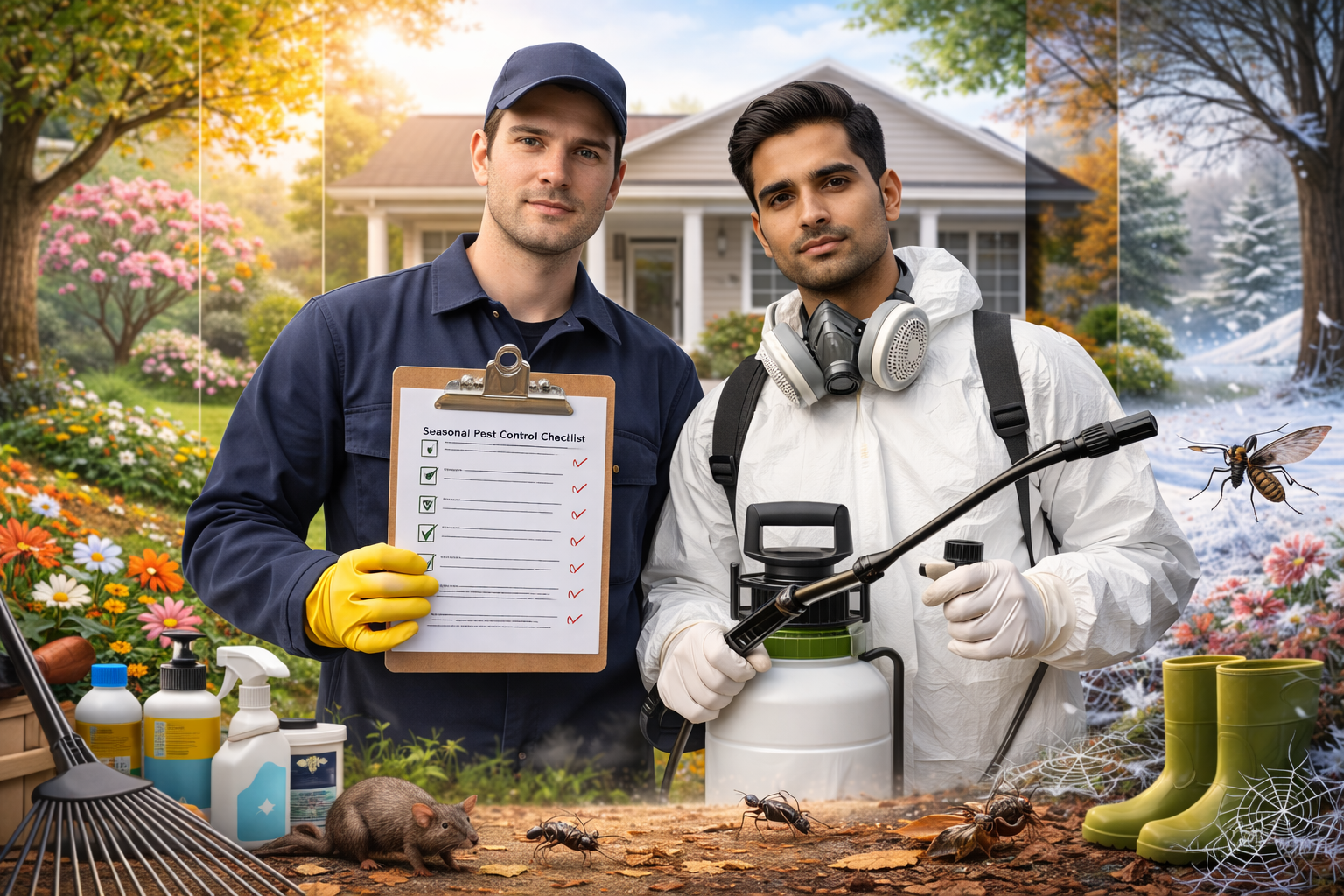
This comprehensive seasonal pest control checklist helps homeowners protect their properties year-round with targeted prevention strategies for each season. From spring termite inspections to winter rodent-proofing, learn the specific tasks and maintenance activities needed to keep pests at bay throughout the year. By following this structured approach and understanding seasonal pest behavior patterns, you can significantly reduce infestations and maintain a pest-free home while saving money on reactive treatments.
Every homeowner knows that sinking feeling when you spot the first signs of a pest problem. But here's what most people don't realize: the best time to fight pests isn't when you see them, it's before they ever enter your home.
After working with thousands of homeowners over the years, I've learned that successful pest control isn't about reacting to problems. It's about following a strategic, season-by-season approach that anticipates pest behavior before it becomes your problem.
Different seasons bring different pest challenges. Spring awakens termites and ants, summer brings mosquitoes and flies, fall sends rodents searching for warm shelter, and winter creates perfect conditions for indoor infestations. This seasonal pest control checklist will guide you through exactly what to do and when to do it, protecting your home 365 days a year.
Why Seasonal Pest Control Matters
Pests operate on biological clocks tied directly to weather patterns and temperature changes. Understanding these patterns transforms pest control from a frustrating guessing game into a predictable, manageable process.
Most pest infestations follow seasonal cycles. Termites swarm in spring when temperatures reach 70°F and humidity rises. Mosquitoes breed explosively during summer's warmth and rain. Rodents begin seeking indoor shelter when fall temperatures drop below 50°F.
By aligning your pest control maintenance checklist with these natural cycles, you intercept pests during their most vulnerable phases. Spring prevention stops summer infestations before they start. Fall preparations eliminate winter pest problems entirely.
This proactive approach saves money too. According to industry data, preventive pest control costs 60-70% less than treating active infestations [Source: National Pest Management Association]. One preventive service typically costs $100-200, while termite damage repairs average $3,000-8,000.
Spring Pest Control Checklist (March-May)
Spring represents the most critical season for pest prevention. As temperatures rise and moisture increases, dormant pests become active and breeding cycles accelerate dramatically.
Termite Inspection and Prevention
Spring termite swarms signal the start of new colonies. Reproductive termites emerge when soil temperatures reach 70°F, typically late March through May depending on your region.
Schedule a professional termite inspection before swarm season peaks. Inspectors examine foundation walls, crawl spaces, basements, and wooden structures for mud tubes, damaged wood, and moisture problems. Early detection saves thousands in repair costs.
Create a home pest prevention checklist for termites:
Remove wood debris, stumps, and lumber within 20 feet of your foundationFix leaking pipes, gutters, and drainage problems that create moistureMaintain an 18-inch gap between soil and wooden sidingSeal cracks in foundation walls with silicone-based caulkStore firewood at least 20 feet from your home, elevated off the groundAnt Colony Control
Ant activity explodes in spring as queens establish new colonies and workers forage aggressively for food. Carpenter ants pose the greatest structural threat, excavating wood to create nests.
Inspect your property's perimeter for ant trails and entry points. Follow trails back to locate nests, which often hide in rotted wood, mulch beds, or beneath stones.
Implement these seasonal pest prevention guide strategies:
Trim tree branches and shrubs touching your home's exteriorRemove mulch within 12 inches of your foundationSeal gaps around pipes, wires, and utility penetrationsClean up food spills immediately and store pantry items in airtight containersApply perimeter barrier treatments to prevent colony establishmentMosquito Breeding Site Elimination
Late spring rainfall creates ideal mosquito breeding conditions. Female mosquitoes lay eggs in standing water, which develop into adults within 7-10 days.
Walk your property weekly to eliminate water sources:
Empty birdbaths, plant saucers, and pet bowls every 2-3 daysClean clogged gutters that trap waterFill low spots in lawns where puddles formDrill drainage holes in tire swings and recycling binsCover rain barrels with fine mesh screensOne neglected container can produce thousands of mosquitoes throughout summer. This simple prevention dramatically reduces your property's mosquito population.
Stinging Insect Prevention
Wasps, hornets, and yellow jackets build nests in spring, starting with small paper structures that expand throughout summer. Early nest removal in spring prevents massive colonies by August.
Inspect these common nesting sites monthly:
Eaves, soffits, and roof overhangsInside attic vents and exhaust fansHollow fence posts and railingsUnderground burrows near foundationsDense shrubs and tree branchesSmall nests (golf ball size) can often be removed safely with proper protective equipment. Large established nests require professional removal to avoid dangerous stinging incidents.
Summer Pest Control Tips (June-August)
Summer's heat and humidity create peak pest activity. Your pest control checklist for homeowners shifts toward maintenance and monitoring during these challenging months.
Fly and Flying Insect Management
Houseflies, fruit flies, and drain flies thrive in summer heat. A single housefly lives 15-30 days and lays up to 500 eggs, creating exponential population growth without intervention.
Control measures focus on sanitation and exclusion:
Keep trash bins clean with tight-fitting lidsWash garbage cans weekly with soap and waterClean drains monthly with enzymatic cleanersInstall door sweeps on all exterior doorsRepair damaged window screens immediatelyDon't leave fruit or vegetables on counters overnightFor persistent fly problems, consider installing UV light traps in garages and utility rooms where flies congregate.
Outdoor Entertainment Area Protection
Summer gatherings attract pests to food, drinks, and lighting. Smart preparation keeps outdoor spaces enjoyable:
Position outdoor lights 20+ feet from seating areas (insects navigate toward light)Use yellow "bug lights" that attract fewer insectsCover food immediately after servingClean grills thoroughly after each useSet up fans on patios, mosquitoes can't fly in winds above 1-2 mphConsider mosquito misting systems for large propertiesLawn and Garden Pest Monitoring
Grubs, chinch bugs, and other lawn pests damage turf during summer feeding frenzies. Brown patches spreading across your lawn often indicate pest damage rather than drought stress.
Perform the "tug test" on brown patches. If grass pulls up easily with no root resistance, grubs have likely severed roots beneath the surface. One square foot may contain 10-15 grubs actively feeding.
Garden pests like aphids, spider mites, and caterpillars multiply rapidly in summer heat. Inspect plants weekly, checking leaf undersides where many pests hide. Beneficial insects like ladybugs and lacewings provide natural control if you avoid broad-spectrum pesticides.
Interior Cooling System Maintenance
Air conditioning creates temperature differentials that attract pests seeking cooler environments. Inspect AC units and ductwork for gaps where insects enter.
Spiders, silverfish, and centipedes often colonize cool basements during summer. Reduce humidity below 50% with dehumidifiers to make these spaces less hospitable. Seal basement window wells and install covers to prevent pest entry.
Fall Pest Prevention Checklist (September-November)
Fall transitions mark the most important season for household pest control checklist activities. Pests actively seek winter shelter, making exclusion work critically important.
Rodent-Proofing Your Home
Mice and rats begin indoor migration when nighttime temperatures consistently drop below 50°F. A mouse can squeeze through openings the diameter of a dime (¼ inch), while rats need only ½ inch gaps.
Conduct a thorough exterior inspection:
Seal gaps around utility penetrations with steel wool and expanding foamInstall door sweeps with rubber seals on all exterior doorsCover foundation vents with ¼-inch hardware clothRepair damaged siding, especially where it meets the foundationCap chimney openings with mesh screensTrim tree branches within 6 feet of rooflinesInside, eliminate food sources by storing cereals, grains, and pet food in heavy plastic or metal containers. Clean up crumbs daily and don't leave pet food out overnight.
Attic and Crawl Space Inspection
Fall represents ideal timing for attic inspections before winter weather makes access difficult. Look for signs of pest activity including droppings, nesting materials, gnaw marks, and grease trails.
Stored boxes and holiday decorations provide perfect nesting sites for rodents and insects. Elevate storage items off floors using shelving units. Replace cardboard boxes with sealed plastic containers that pests can't penetrate.
Check insulation for displacement or damage indicating animal activity. Squirrels and raccoons often tear insulation to create nests, compromising your home's energy efficiency.
Spider and Insect Reduction
Many spiders move indoors during fall seeking overwintering sites. While most species provide beneficial pest control, indoor populations can become excessive.
Reduce indoor spider populations by eliminating their prey:
Vacuum regularly including corners, baseboards, and window sillsRemove indoor plant debris where insects hideFix leaky faucets that attract water-seeking insectsDeclutter basements and storage areasInstall door sweeps to block entry pointsStink bugs, Asian lady beetles, and boxelder bugs congregate on sunny walls during fall warm spells, seeking entry points to overwinter indoors. Seal cracks around windows, doors, and siding before these pests arrive in large numbers.
Outdoor Cleanup Activities
Fall yard maintenance directly impacts pest pressure:
Rake leaves promptly, leaf piles harbor insects and rodentsRemove fallen fruit that attracts yellow jackets and rodentsCut back perennials and remove annual plantsStore garden hoses and empty outdoor containersClean gutters before winter to prevent ice dams and pest nesting sitesMove firewood storage away from home's exteriorThese simple tasks eliminate thousands of potential overwintering sites for pests targeting your home.
Winter Pest Control Maintenance (December-February)
Winter pest control focuses on monitoring and maintaining barriers established during fall preparation. While outdoor pest activity decreases, indoor pest pressure often intensifies.
Indoor Monitoring and Sanitation
Heating systems create warm, dry environments that attract overwintering pests. Pantry pests like Indian meal moths and grain beetles become noticeable in winter as they infest stored foods.
Inspect pantry items monthly:
Check cereals, flour, rice, and pasta for webbing or larvaeExamine pet food bags for signs of infestationStore bulk items in airtight containers immediately after purchaseDiscard any infested items in exterior trash binsClean pantry shelves with vinegar solutionDon't forget often-overlooked food sources like birdseed, decorative corn, and dried flower arrangements that harbor pantry pests.
Basement and Crawl Space Checks
Winter creates ideal conditions for moisture accumulation in basements and crawl spaces. Condensation from temperature differentials attracts moisture-loving pests.
Monitor humidity levels monthly, maintaining readings below 50%. High moisture supports mold growth that feeds silverfish, booklice, and other humidity-dependent pests.
Inspect stored items for rodent activity. Mice remain active throughout winter, reproducing in warm interior spaces. One female mouse produces 5-10 litters annually with 6-8 pups per litter, leading to explosive population growth.
Firewood Management
Bringing firewood indoors transports pests directly into your home. Many insects overwinter in firewood, becoming active once exposed to indoor heating.
Follow these best practices:
Store firewood outdoors until ready to burnBring in only what you'll burn within 24 hoursInspect each log before bringing insideDon't stack firewood against your home's exteriorElevate stacks at least 18 inches off the groundCover the top while leaving sides open for air circulationCarpenter ants frequently nest in firewood stacks. A single infested log can introduce an entire colony into your home.
Planning for Spring
Winter provides excellent time to schedule spring services before pest season arrives. Professional pest control companies offer better availability and often provide pre-season discounts during slower winter months.
Review your property's pest history. Recurring problems indicate structural issues, moisture problems, or sanitation gaps requiring attention. Document problem areas and plan corrections before spring pest activity resumes.
Creating Your Year-Round Pest Control Strategy
Successful pest management requires consistent attention rather than crisis response. Think of pest control like home maintenance, regular attention prevents expensive emergency repairs.
Monthly Quick-Check Activities
Develop a monthly inspection routine taking 20-30 minutes:
Walk your home's perimeter checking for cracks, gaps, and pest activityInspect basements, attics, and crawl spaces with flashlightCheck moisture levels in vulnerable areasMonitor traps and bait stations if installedDocument any pest sightings or damageConsistent monitoring catches small problems before they become infestations requiring professional intervention.
Professional Partnership Benefits
While DIY prevention handles many pest challenges, professional pest control services provide expertise and products unavailable to homeowners. Quarterly professional treatments cost $100-300 per visit but deliver comprehensive protection.
Professionals identify vulnerabilities you might miss, apply professional-grade products with longer-lasting efficacy, and provide warranties covering retreatments if pests return. For most homeowners, the investment pays off through prevention and peace of mind.
When selecting a pest control provider, choose companies offering customized seasonal programs rather than one-size-fits-all treatments. Your pest control tips for every season should reflect your property's specific vulnerabilities, local pest pressures, and seasonal challenges.
Documentation and Record Keeping
Maintain a simple pest control log documenting:
Dates of inspections and treatmentsPest sightings and locationsProducts used and application methodsRepairs and exclusion work completedProfessional service dates and recommendationsThis documentation helps identify patterns, evaluate effectiveness, and plan future prevention strategies. Digital photos provide valuable visual records tracking changes over time.
Frequently Asked Questions
How often should homeowners perform pest inspections?
Homeowners should conduct basic pest inspections monthly, with more thorough seasonal inspections quarterly. Monthly checks take 20-30 minutes and focus on obvious signs like droppings, damage, or live pests. Quarterly inspections should examine attics, crawl spaces, basements, and exterior perimeters comprehensively. Professional inspections annually or semi-annually provide expert assessment of vulnerabilities you might overlook.
What's the most important season for pest prevention?
Fall represents the most critical season for pest prevention because it's when rodents, stink bugs, and other pests actively seek indoor shelter for winter. Exclusion work completed in September and October prevents winter infestations that are difficult and expensive to eliminate once established. However, each season requires specific attention, spring termite prevention and summer mosquito control are equally important for those specific pest threats.
Can I skip professional pest control if I follow this checklist?
While this checklist provides comprehensive DIY guidance, most homes benefit from professional pest control services at least annually. Professionals access products and equipment unavailable to homeowners, identify structural vulnerabilities requiring expert assessment, and provide warranties on their work. Consider professional services for high-risk situations like termite prevention, established rodent infestations, or recurring pest problems despite DIY efforts.
What's the difference between preventive and reactive pest control?
Preventive pest control implements barriers, eliminates attractants, and monitors for early warning signs before infestations develop. Reactive pest control treats active infestations after problems become obvious. Preventive approaches cost 60-70% less than reactive treatments and avoid property damage, health risks, and stress associated with infestations. This seasonal checklist emphasizes prevention through timely interventions aligned with pest biology and behavior patterns.
How do I know if my pest prevention is working?
Effective pest prevention shows results through absence of evidence, you won't see pest sightings, damage, or droppings. Track these success indicators: no indoor pest sightings for extended periods, no new structural damage, no signs of nesting or breeding activity, and reduced outdoor pest populations near your home. Maintain documentation comparing current conditions to past problems. If you previously struggled with spring ants but haven't seen any for two years, your prevention program is working.
Protect Your Home Year-Round
Implementing this seasonal pest control checklist transforms pest management from reactive crisis response into proactive protection. By understanding seasonal pest patterns and timing your prevention efforts accordingly, you intercept problems before they impact your home and family.
Remember that consistency matters more than perfection. Missing one monthly inspection won't doom your efforts, but abandoning the seasonal approach entirely invites problems. Start with the current season's recommendations and build momentum as prevention becomes routine.
Your home represents one of your largest investments. Protecting it from pest damage, health risks, and the stress of infestations makes practical and financial sense. This checklist provides the roadmap, your consistent attention provides the results.
Ready to implement professional-grade pest protection? Skuas Pest Control offers customized seasonal programs designed for your property's specific needs. Our experienced technicians understand local pest pressures and deliver proven solutions protecting homes year-round. Contact us today to schedule your seasonal pest assessment and discover how professional partnership enhances your DIY prevention efforts.