
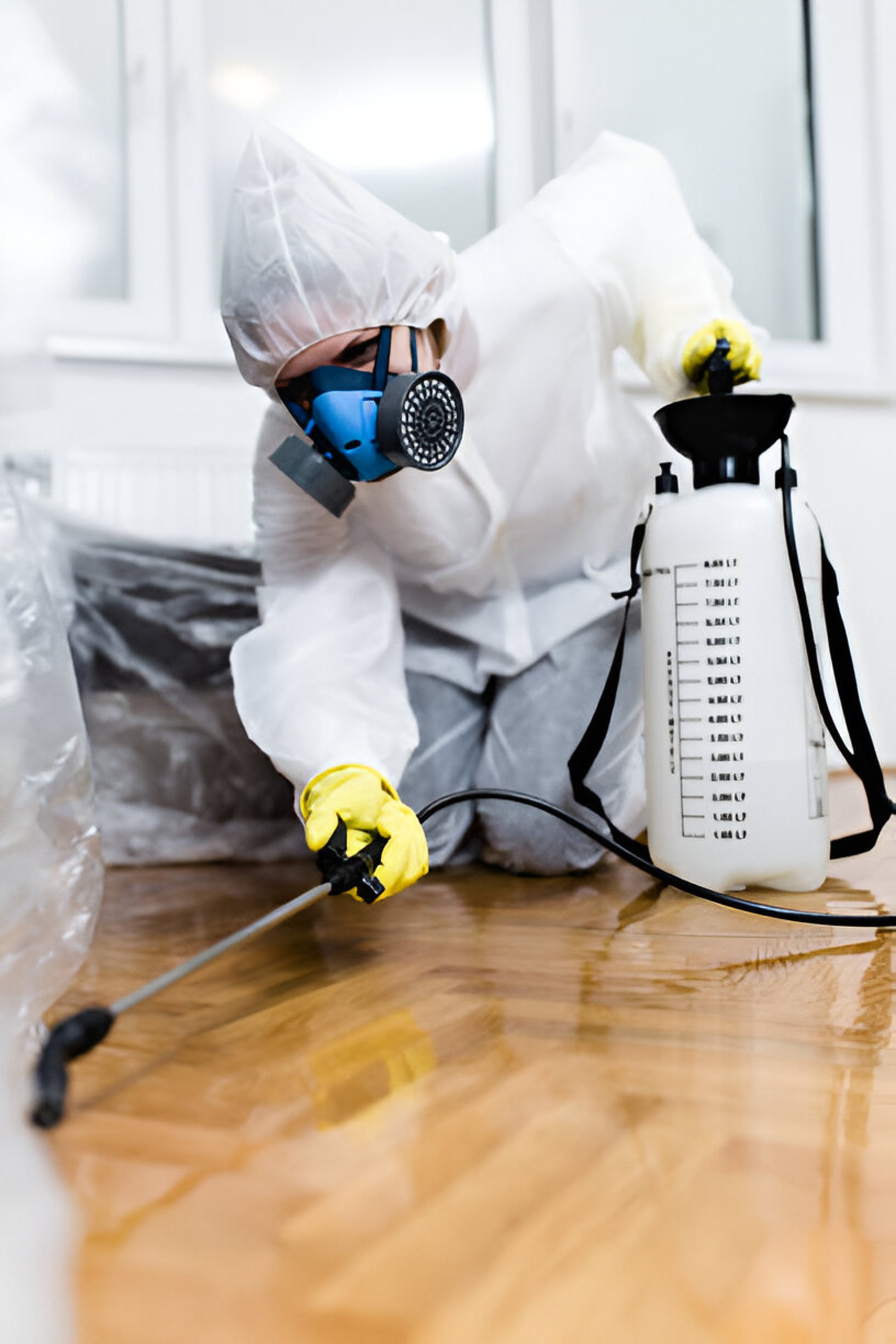
Need Cockroach Control in Delhi NCR? Start With a Free Inspection
Roaches are a hygiene problem first and a nuisance second. They contaminate food, spread bacteria, and multiply quickly in kitchens, drains, and warm storage zones. We inspect the infestation, identify the species, and build a treatment plan that fits the property.
SKUAS Pest Control delivers practical cockroach treatment for homes, apartments, restaurants, offices, and commercial kitchens across Delhi NCR. The goal is to remove the active infestation, reduce hidden breeding areas, and help prevent the same problem from coming back.
| Best for | Homes, kitchens, offices, restaurants, and commercial sites in Delhi NCR |
|---|---|
| Primary method | Odorless gel bait, targeted residual spray, selective dusting, and follow-up advice |
| Typical starting price | Single service starts around Rs. 999, with AMC available for recurring infestations |
| Service promise | Low-odor application, clear prep instructions, and practical aftercare support |
Why Trust This Page
Why this cockroach control page is worth trusting
The recommendations here are reviewed using current gel-bait, spray, and follow-up workflows used for Delhi NCR homes, kitchens, and commercial sites.
- Treatment advice is based on live German and American cockroach job patterns seen by the team.
- Prep and aftercare instructions reflect what technicians currently give customers before and after service.
- Pricing context and AMC guidance are updated when service packages or coverage assumptions change.
Why professional cockroach control matters
Surface sprays alone rarely solve a cockroach issue. The real fix is a combination of inspection, baiting, targeted treatment, and cutting off food and water sources. That approach gives you a much better chance of long-term control in Delhi homes and kitchens.
Our proven 7-step process
- Inspection: Identify species, hotspots, and entry points.
- Custom plan: Choose the right method mix, materials, and visit schedule.
- Gel baiting: Place small bait points in hinges, corners, and crevices.
- Targeted spray: Apply low-odor residual treatment on runways and junctions.
- Selective dusting: Treat voids or conduit areas where needed.
- Sanitation and exclusion: Reduce food, water, and access gaps.
- Follow-up: Re-inspection and touch-ups for stronger knockdown.
Delhi species we target
- German cockroach: Common in warm kitchens and food prep spaces; best handled with expert gel baiting.
- American cockroach: Often found in drains, basements, and service areas; managed with spray, dusting, and exclusion.
Quick prep checklist
- Clear under-sink cabinets and countertop clutter.
- Pull appliances forward where possible for access.
- Remove open food and store pantry items in sealed containers.
- Avoid mopping baited crevices for 5-7 days after treatment.
Service coverage: Delhi NCR
South Delhi, West Delhi, East Delhi, North Delhi, Central Delhi, Gurugram, Noida, Faridabad, Ghaziabad, and surrounding residential and commercial zones.
Local cockroach-control coverage across Delhi NCR
Cockroach issues change by building type, kitchen density, drainage layout, and business category, so this page now points more clearly toward the local and adjacent pages users typically need.
- Apartment kitchens usually need low-disruption baiting and follow-up support.
- Restaurants, cafes, and cloud kitchens need stronger hygiene-safe scheduling and commercial reporting.
- Local pages help match users to the right service context faster than a broad NCR treatment page alone.
Related Pages
Useful cockroach, local-area, and comparison links
These links connect household and commercial cockroach intent with related treatments, local landing pages, and fresh guide content.
Health Risks of Cockroach Infestations
Cockroaches carry germs from drains and garbage onto kitchen surfaces, and their droppings are a known allergy trigger.
- Food contamination: Cockroaches feed on decaying matter, garbage, and feces before walking across food preparation surfaces, utensils, and open food. They deposit salmonella, E. coli, listeria, and other pathogens at every step.
- Allergy and asthma triggers: Cockroach droppings, shed skins, and dead body parts contain potent allergens. Research links cockroach allergen exposure to the worsening of childhood asthma and year-round rhinitis in urban populations.
- Disease transmission: Roaches are mechanical carriers of typhoid, cholera, dysentery, and gastroenteritis.
- Psychological stress: Active cockroach infestations cause documented stress and anxiety, especially in households with young children or elderly members.
- Business reputation risk: A single cockroach sighting in a restaurant, hotel, or food processing unit can lead to customer complaints, negative reviews, and regulatory action from food safety authorities (FSSAI).
What to Expect After Cockroach Treatment
Understanding post-treatment behavior will help you correctly assess whether the treatment is working as expected:
- Increased activity in the first 48 to 72 hours: It is completely normal, and actually a positive sign, to see more cockroaches than usual in the first few days after gel bait application. The bait’s attractant draws roaches out of hiding to feed. This increased visibility means the bait is working.
- Do not clean baited areas for 5 to 7 days: Avoid wiping down or mopping the areas where gel bait was applied for at least 5 to 7 days. Cleaning removes the bait and breaks the cascade effect needed to eliminate the colony.
- Expect a gradual decline in activity: Cockroach numbers typically decline noticeably after 7 to 10 days and continue declining over the following 2 to 3 weeks. Heavy infestations may take 3 to 4 weeks for complete resolution.
- Dead roaches are normal: Finding dead cockroaches around treated areas is a positive sign. Remove them using a tissue and dispose in the bin, do not vacuum treated surfaces.
- Follow-up visit is important: Our follow-up inspection ensures we catch any newly hatched nymphs and replenish bait as needed. Do not skip the follow-up even if the infestation seems resolved.
- Maintain hygiene post-treatment: Fix leaky pipes, seal cracks, and maintain clean, dry kitchen surfaces to prevent re-infestation between scheduled visits.