
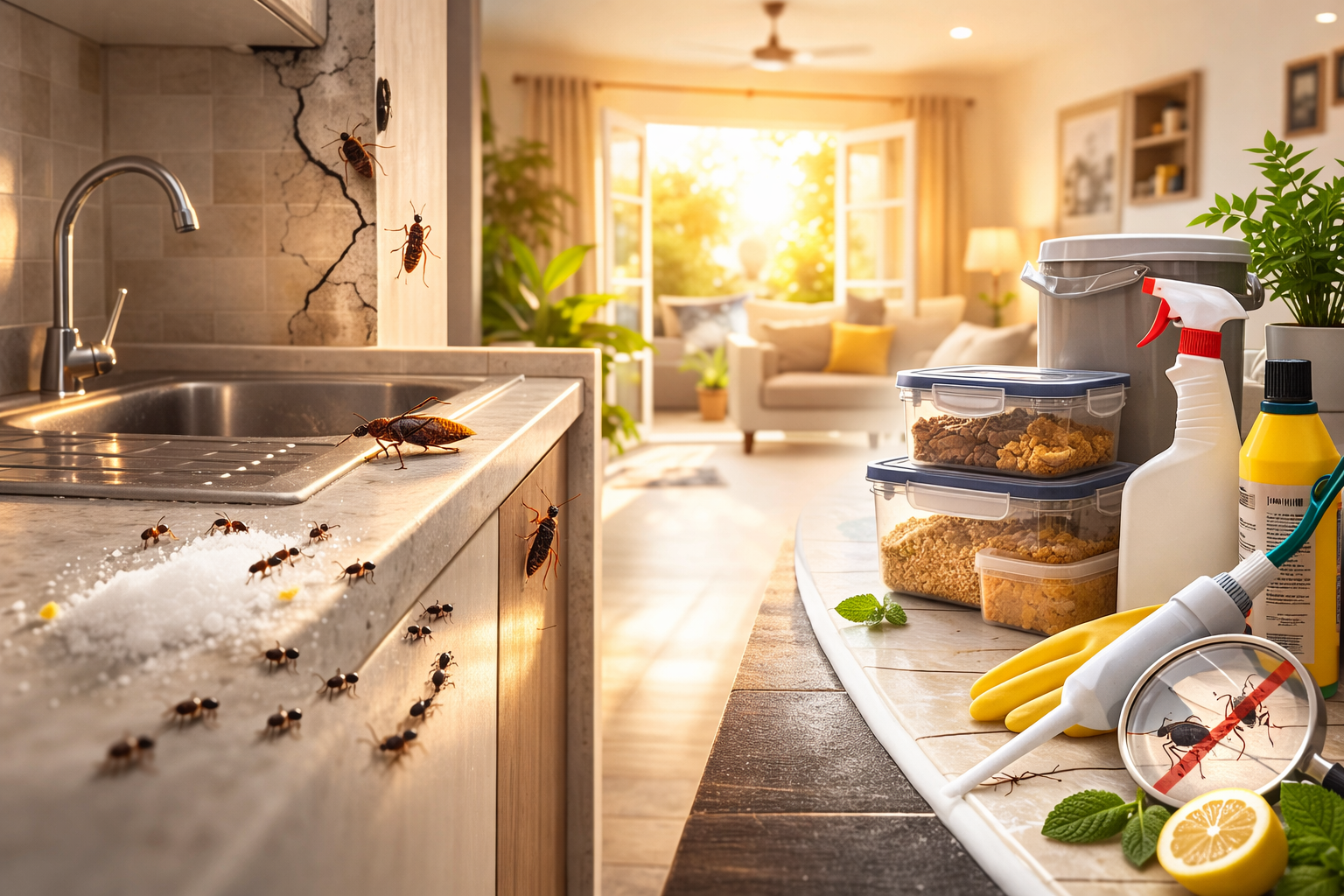
TL;DR
Summer brings increased ant and cockroach activity in homes due to heat and humidity. This comprehensive guide covers preventive measures including sealing entry points, proper food storage, moisture control, natural deterrents, and professional solutions. Learn why pests invade summer homes, how to identify risk areas, and implement year-round prevention strategies to maintain a pest-free environment for your family.
Table of Contents
- Why Summer Brings More Pests
- Understanding Ant and Cockroach Behavior
- Essential Prevention Strategies
- Natural Prevention Methods
- Indoor Protection Techniques
- Outdoor Defense Measures
- When to Call Professionals
- FAQs
- Conclusion
Summer should be about enjoying warm weather and outdoor activities, not battling invasive pests in your home. As temperatures rise, ants and cockroaches become increasingly active, searching for food, water, and shelter, often finding all three in your summer residence. Whether you're preparing a vacation home or protecting your primary residence, understanding effective ant & cockroach prevention for summer homes is essential for maintaining a comfortable, healthy living environment.
Why Summer Creates Perfect Conditions for Pests
The correlation between summer heat and pest activity isn't coincidental. Cockroaches thrive in temperatures between 75-85°F, which aligns perfectly with typical summer conditions. Similarly, ant colonies experience population explosions during warmer months, with some species increasing activity by up to 300% compared to winter months.
Humidity plays an equally critical role. Summer homes, especially those near water or in humid regions, provide ideal moisture levels that cockroaches require for survival. A single German cockroach can produce up to 400 offspring in one year under optimal conditions, making prevention far more effective than elimination.
Understanding Your Enemy: Ant and Cockroach Behavior
Common Summer Ant Species
Carpenter ants, odorous house ants, and pavement ants are the most frequent summer invaders. Carpenter ants particularly target summer homes because these properties often have moisture-damaged wood from seasonal vacancy. These ants don't eat wood but excavate it to create nesting galleries, potentially causing structural damage over time.
Odorous house ants earn their name from the rotten coconut smell they emit when crushed. They're attracted to sweet substances and can establish colonies with multiple queens, making them particularly difficult to eliminate once established.
Cockroach Species and Habits
German cockroaches prefer indoor environments and are commonly found in kitchens and bathrooms. American cockroaches, despite their name, actually prefer outdoor habitats but will move indoors during extreme heat or when seeking food and water. Oriental cockroaches thrive in damp basements and crawl spaces, making them common in summer homes with poor ventilation.
All cockroach species are nocturnal, meaning if you spot one during daylight hours, you likely have a significant infestation. They can survive on minimal food, a single cockroach can live for weeks on the glue from a postage stamp.
Essential Prevention Strategies for Ant & Cockroach Prevention in Summer
Seal Every Entry Point
Inspect your home's foundation, windows, and doors meticulously. Ants can squeeze through openings as small as 1/32 of an inch, while cockroaches need only 1/16 of an inch. Use silicone-based caulk for cracks in foundations and around windows. Install door sweeps on all exterior doors, ensuring no gap exists between the sweep and threshold.
Pay special attention to utility entry points where pipes, wires, and cables enter your home. These often-overlooked gaps provide highways for pest entry. Use expanding foam or copper mesh to seal these openings, as both materials resist pest penetration.
Master Moisture Management
Cockroaches can survive weeks without food but only days without water, making moisture control your most powerful prevention tool. Fix leaking faucets, pipes, and air conditioning units immediately. Even small drips create sufficient water sources for entire cockroach colonies.
Use dehumidifiers in basements, crawl spaces, and storage areas to maintain humidity below 50%. Ensure proper ventilation in bathrooms and kitchens by running exhaust fans during and after showers or cooking. Check under sinks regularly for hidden leaks that might go unnoticed for months in seasonal homes.
Implement Rigorous Sanitation Protocols
Establish a daily cleaning routine that eliminates food sources. Wipe down counters with vinegar solution after food preparation. Sweep and vacuum floors thoroughly, paying attention to corners and under appliances where crumbs accumulate. Empty garbage bins daily and use containers with tight-fitting lids.
Store all food in airtight containers, including pet food which attracts both ants and cockroaches. Never leave dirty dishes in the sink overnight. Clean behind and under appliances quarterly, as these areas often harbor grease, crumbs, and moisture, the pest trifecta.
Natural Prevention Methods That Actually Work
Essential Oil Deterrents
Peppermint oil serves as a powerful natural ant deterrent. Mix 10-15 drops of peppermint essential oil with water in a spray bottle and apply along baseboards, window sills, and entry points. Reapply weekly for continued effectiveness. Ants detect the strong scent through their antennae and avoid treated areas.
For cockroaches, cypress oil and catnip have shown remarkable repellent properties. Research from Iowa State University found that catnip is 100 times more effective than DEET at repelling cockroaches. Create sachets with dried catnip and place them in cabinets, closets, and storage areas.
Diatomaceous Earth Application
Food-grade diatomaceous earth (DE) creates a physical barrier that kills insects through dehydration. Apply thin lines of DE behind appliances, along baseboards, and in cracks where pests travel. The microscopic sharp edges damage pest exoskeletons, causing fatal moisture loss.
Apply DE in dry conditions only, as moisture reduces its effectiveness. Wear a dust mask during application to avoid respiratory irritation. Reapply after cleaning or if the powder becomes wet.
Borax-Based Solutions
Mix equal parts borax and sugar to create an effective ant bait. The sugar attracts ants while borax acts as a stomach poison. Place small amounts on cardboard pieces in areas of ant activity, out of reach of children and pets. For cockroaches, mix three parts borax with one part sugar and place in bottle caps under sinks and behind appliances.
Indoor Protection Techniques for Summer Homes
Kitchen and Pantry Defense
The kitchen represents ground zero for pest prevention. Install mesh screens on windows to allow ventilation without pest entry. Transfer all dry goods from original packaging to glass or hard plastic containers within 24 hours of purchase. Cockroaches and ants often hitchhike into homes via grocery bags.
Clean your refrigerator's drip pan monthly. This often-forgotten component collects moisture and organic debris, creating an ideal cockroach breeding ground. Pull out your refrigerator and stove quarterly to clean accumulated grease and food particles.
Bathroom and Laundry Room Strategies
Fix dripping faucets and showerheads immediately. Cockroaches particularly love bathroom environments due to consistent moisture and warmth. Keep bathroom counters dry by wiping them down after each use. Store toiletries in closed cabinets rather than leaving them exposed.
Regularly clean washing machine rubber seals where moisture and lint accumulate. Ensure dryer vents exhaust properly to the exterior and clean lint traps after every use. Check under and behind washers for leaks or standing water.
Bedroom and Living Area Protection
While less common, ants and cockroaches will venture into bedrooms seeking food crumbs or water. Vacuum regularly under beds and furniture where dust and debris accumulate. Avoid eating in bedrooms to eliminate food attraction.
Inspect incoming luggage, furniture, and packages for hitchhiking pests. Cockroaches especially excel at traveling in cardboard boxes and second-hand furniture. Quarantine new items in garages before bringing them indoors for thorough inspection.
Outdoor Defense Measures for Comprehensive Prevention
Perimeter Treatment Strategy
Create a pest-free zone extending 3-5 feet from your home's foundation. Remove mulch, leaves, and wood piles from this area as they provide harborage for both ants and cockroaches. Replace organic mulch with gravel or rubber alternatives near the foundation.
Trim tree branches and shrubs so they don't touch your home's exterior. These create bridges allowing ants direct access to upper levels. Maintain a minimum 12-inch gap between vegetation and siding.
Drainage and Landscaping Considerations
Ensure proper grading around your foundation directs water away from the structure. Standing water attracts cockroaches and provides drinking sources for ant colonies. Clean gutters and downspouts regularly, ensuring water flows at least 6 feet from the foundation.
Eliminate wood-to-ground contact by using concrete blocks or metal stands for firewood storage. Store firewood at least 20 feet from your home and elevate it 6 inches off the ground. Inspect each piece before bringing it indoors.
Garbage and Compost Management
Position outdoor garbage bins at least 20 feet from your home's entrance. Use bins with tight-fitting lids and wash them monthly with bleach solution. If you compost, use enclosed bins rather than open piles and locate them far from the house.
Never allow overripe fruit to accumulate in outdoor areas. Harvest vegetables promptly and clean up fallen fruit immediately. These attract ants, which can then find their way indoors following scent trails.
When Professional Intervention Becomes Necessary
Recognizing Infestation Signs
If you observe more than 5 ants daily or any cockroaches during daylight, professional assessment is warranted. Ant trails that persist despite cleaning indicate established colonies. Cockroach egg casings (oothecae), fecal matter resembling black pepper, or musty odors signal serious infestations.
Multiple ant species or large carpenter ants suggest structural concerns requiring professional evaluation. Similarly, American cockroaches indoors typically indicate sewage or drainage issues that DIY methods won't resolve.
What Professional Services Provide
Professional pest control offers integrated pest management (IPM) combining inspection, identification, treatment, and prevention. Technicians identify species, locate nests, and apply targeted treatments unavailable to consumers. They also identify conducive conditions and provide remediation recommendations.
For summer homes, quarterly professional treatments create protective barriers that prevent infestations during vacancy periods. Professionals use residual insecticides with extended effectiveness, maintaining protection between visits.
Preparing for Professional Treatment
Before professional service, remove items from under sinks and pull appliances away from walls. Clean thoroughly to allow better product adhesion and effectiveness. Follow all pre-treatment instructions provided by your pest control company.
Post-treatment, avoid mopping treated areas for 2-3 weeks to allow residual products to work. Maintain cleanliness and moisture control to maximize treatment effectiveness and prevent re-infestation.
Year-Round Prevention for Summer Homes
Seasonal Preparation Checklist
Before closing your summer home for the season, conduct a thorough deep clean removing all food items, including spices and condiments. Clean out refrigerators and freezers, leaving doors slightly ajar to prevent mildew and odors that attract pests.
Turn off water to prevent leaks during vacancy. Set thermostats to moderate temperatures; extreme heat or cold can damage structures, creating pest entry points. Consider installing monitoring devices that alert you to temperature or humidity changes.
Opening Your Summer Home
When returning, inspect thoroughly before unloading belongings. Check for pest evidence including droppings, dead insects, or damage. Open windows for ventilation but ensure screens are intact. Check all plumbing for leaks that may have developed during closure.
Run water through all drains to refill P-traps that may have evaporated, allowing sewer odors and pests to enter. Inspect stored items for pest damage before bringing them into main living areas.
Frequently Asked Questions
What attracts ants to my summer home specifically?
Ants are primarily attracted by three factors: food sources (especially sweets and proteins), water availability, and suitable nesting sites. Summer homes often have accumulated moisture from humidity, infrequent use allows food sources to remain undiscovered longer, and structural gaps from seasonal expansion and contraction create ideal entry points. Additionally, if your property remained vacant, ant colonies may have established themselves without disturbance, making elimination more challenging.
How quickly can a cockroach infestation develop in a vacant summer home?
A cockroach infestation can develop surprisingly quickly. A single pregnant German cockroach can produce 30,000 offspring in one year under ideal conditions. If your summer home provides food residue, water from leaks or humidity, and undisturbed harborage, a noticeable infestation can develop within 2-3 months. American cockroaches reproduce more slowly but are equally problematic. This is why pre-seasonal preparation and regular monitoring are crucial for summer properties.
Are natural prevention methods as effective as chemical treatments?
Natural methods can be highly effective for prevention and minor pest pressure but may not eliminate established infestations. Essential oils, diatomaceous earth, and proper sanitation prevent pest establishment by making your home inhospitable. However, once colonies are established with multiple access points and breeding sites, professional chemical treatments are typically necessary for complete elimination. The most effective approach combines natural prevention with professional intervention when needed, creating long-term protection.
Can I prevent ants and cockroaches without using any pesticides?
Yes, pesticide-free prevention is possible through integrated pest management focusing on exclusion, sanitation, and environmental modification. Seal all entry points, eliminate food and water sources, reduce humidity, and remove harborage areas. Regular monitoring allows you to catch problems early before populations explode. However, this requires consistent effort and vigilance. For summer homes with extended vacancy periods, completely pesticide-free approaches become more challenging, though professional pest control companies now offer low-toxicity botanical options.
How often should I inspect my summer home for pest issues?
If you use your summer home regularly (weekly or bi-weekly), inspect during each visit, focusing on kitchens, bathrooms, and entry points. For properties vacant for extended periods, monthly inspections are ideal, though quarterly inspections may suffice if you've implemented thorough preventive measures. Consider hiring a property management service or pest control company for monthly monitoring if you cannot visit regularly. Install pest monitoring devices that alert you to activity between visits, allowing prompt intervention before minor issues become major infestations.
Conclusion: Your Path to a Pest-Free Summer
Effective ant and cockroach prevention for summer homes requires a comprehensive approach combining exclusion, sanitation, moisture control, and vigilant monitoring. By understanding pest behavior and implementing the strategies outlined in this guide, you can enjoy your summer property without unwanted visitors.
Start by conducting a thorough inspection of your property, identifying and sealing potential entry points. Implement moisture control measures and establish cleaning protocols that eliminate food sources. Apply natural deterrents in key areas and maintain outdoor spaces to create an inhospitable perimeter.
Remember that prevention is always easier and more cost-effective than elimination. The time invested in proper preparation before summer and diligent maintenance throughout the season pays dividends in comfort and peace of mind.
At Skuas Pest Control, we specialize in protecting summer homes with customized prevention programs designed for seasonal properties. Our experienced technicians understand the unique challenges of vacation home pest management and can create a treatment plan that keeps your property protected year-round. Don't let pests ruin your summer retreat, contact us today for a comprehensive property assessment and discover how we can help you maintain a pest-free environment all season long.